Cime Himalaya

Annapurna Circuit and Poon Hill Trek

  • Best price guaranteed
  • No booking fees
  • Book Now, Pay Later
Price on request
Price varies by group size
  • Best price guaranteed
  • No booking fees
  • Book Now, Pay Later
Share
Print
Duration
14 days
Activity
Trekking
Max. altitude
5,416 m / 17,769 ft
Highest overnight
4,525 m / 14,845 ft
Group size
Min 1+
Difficulty
Strenuous
Trip starts/ends
Kathmandu / Kathmandu
Trekking starts/ends
Dharapani / Ghandruk
Best season
March, April, May, Jun, October, November & December.
Accommodation
1 night hotel in Pokhara and 12 nights in guesthouse/ lodge during the trek.
Meals
On full-board meal during the trek. 
Transportation
Drop-off from Kathmandu to Dharapani and pick-up Mukitnath to Tatopani by local transport, Ghandurk to Pokhara by private jeep and Pokhara to Kathmandu by tourist bus.
Trip route
Kathmandu-Dharapani-Chame-Upper Pisang-Manang-Yak Kharka-Thorong Phedi-Thorong La Pass-Muktinath-Tatopani-Ghorepani-Poon Hill-Tadapani-Ghandruk-Pokhara-Kathmandu.

Highlights

  • Experience one of the world’s most renowned trekking routes, combining the Annapurna Circuit with the breathtaking Poon Hill viewpoint.
  • A perfect blend of adventure, culture, and natural beauty, making it an unforgettable trekking experience.
  • Trek through lush forests, alpine meadows, and rugged high-altitude terrain with stunning mountain views.
  • Cross the challenging Thorong La Pass (5,416m), the highest point of the trek, offering spectacular panoramic vistas.
  • Visit the sacred Muktinath Temple, an important pilgrimage site for Hindus and Buddhists.
  • Descend through the world’s deepest Kali Gandaki Gorge and relax in the Tatopani hot springs.
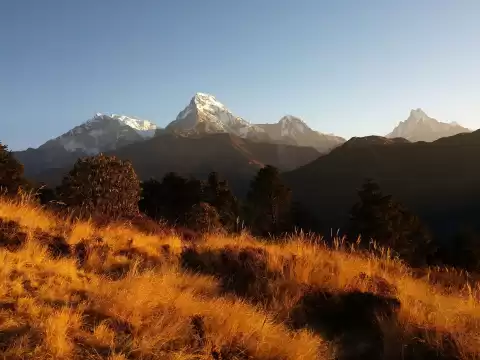
  • Sunrise hike to Poon Hill (3,210m) for breathtaking views of Annapurna and Dhaulagiri ranges.
  • Explore traditional villages like Ghyaru, Ngwal, Manang, Ghandruk, experiencing Nepalese hospitality and culture.
  • Scenic drive from Kathmandu to Dharapan.
  • Pokhara, a perfect place to unwind by the tranquil Phewa Lake.

Overview

Explore on an unforgettable journey through the breathtaking landscapes of the Annapurna region, combining the iconic Annapurna Circuit with the panoramic beauty of Poon Hill. This adventure begins with a scenic drive from Kathmandu to Dharapani via Besisahar, offering a glimpse into Nepal’s diverse landscapes. The trek gradually ascends towards Chame, a picturesque village surrounded by lush pine forests and views of Annapurna II. From here, the trail continues to Upper Pisang, where the landscape transforms into a stunning alpine setting with spectacular mountain vistas.

The journey from Upper Pisang to Manang follows the higher route through Ghyaru and Ngawal, offering mesmerizing views of the Annapurna range. A day in Manang allows for acclimatization, with options to explore Ice Lake or Gangapurna Tal. As the trek progresses towards Yak Kharka, the terrain becomes more rugged, and the air thinner, preparing trekkers for the challenging ascent ahead. Reaching Thorong Phedi or High Camp, the anticipation builds for the highlight of the trek the crossing of Thorong La Pass at 5,416 meters. This exhilarating traverse rewards with breathtaking panoramic views before descending to Muktinath, a sacred pilgrimage site revered by both Hindus and Buddhists.

From Muktinath, the route descends through the Kali Gandaki Gorge towards Tatopani, where natural hot springs provide a perfect respite for tired muscles. The journey then ascends through charming rhododendron forests to Ghorepani, leading to an early morning hike to Poon Hill. This vantage point offers one of the most stunning sunrise views over the Annapurna and Dhaulagiri ranges. The trek continues through lush forests to Tadapani before descending to the traditional Gurung village of Ghandruk, where trekkers can immerse themselves in the rich local culture. A scenic drive from Ghandruk takes you to Pokhara, where the tranquil lakes and relaxed atmosphere provide the perfect conclusion to this incredible journey. Finally, the trip ends with a return to Kathmandu, leaving trekkers with unforgettable memories of Nepal’s majestic landscapes and vibrant culture.

Major Viewpoints and Mountains of the trek.
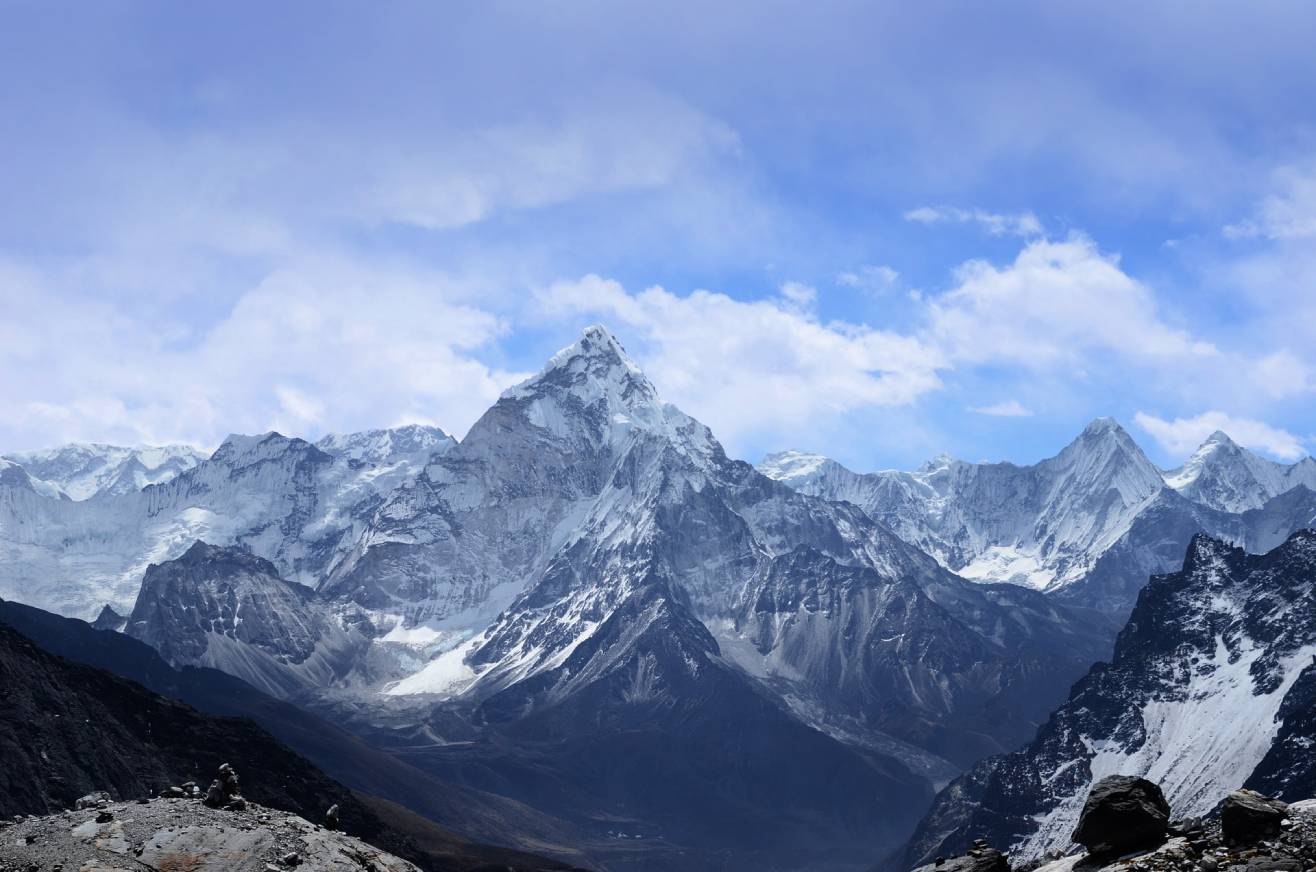
The Annapurna Circuit and Poon Hill Trek offer some of the most breathtaking mountain views in Nepal. One of the major highlights is Thorong La Pass (5,416m), the highest point of the trek, providing an unforgettable 360-degree panorama of Annapurna, Dhaulagiri, Manaslu, and Upper Mustang. The dramatic shift in landscapes, from lush green valleys to high-altitude deserts, adds to the visual spectacle.

Another spectacular viewpoint is Poon Hill (3,210m), one of Nepal’s most famous sunrise spots. An early morning hike rewards trekkers with golden hues over Annapurna South, Machhapuchhre (Fishtail), Dhaulagiri, and Hiunchuli, creating a picture perfect moment. The view from Upper Pisang and Ghyaru is also remarkable, where towering peaks rise above traditional Tibetan-style villages, offering one of the best perspectives of Annapurna II, III and IV.

Additionally, the Kali Gandaki Gorge, the deepest in the world, provides dramatic landscapes as the trek descends towards Tatopani. The serene beauty of Gangapurna Lake and Ice Lake near Manang adds a peaceful contrast to the rugged terrain, making the journey an incredible visual experience from start to finish.

Major Attractions: Natural, Cultural, and Historical Highlights
This trek is a perfect blend of natural wonders, cultural heritage, and historic sites. The diverse landscapes range from subtropical forests and terraced fields to high-altitude deserts and glacial valleys, showcasing Nepal’s incredible biodiversity. The Tatopani hot springs provide a refreshing break, while lush rhododendron forests around Ghorepani burst into bloom during spring, adding a vibrant splash of color to the trail.

Culturally, the trek passes through traditional Gurung, Thakali, and Manangi villages, each offering unique insights into Nepalese lifestyles. Manang, a significant cultural stop, is home to Tibetan-influenced monasteries, chortens, and prayer wheels, reflecting the Buddhist heritage of the region. Similarly, Muktinath Temple, an important pilgrimage site for Hindus and Buddhists, is a spiritual highlight where devotees cleanse themselves under 108 sacred water spouts.

The trail also features ancient monasteries like the Braga Monastery, one of the oldest in the region, offering spiritual tranquility against a backdrop of snow-capped peaks. The charming village of Ghandruk, with its traditional stone houses and cultural museum, provides an authentic Gurung experience, making this trek not just an adventure but also a deep cultural immersion.

Best Time for Annapurna Circuit and Poon Hill Trek
The best time to trek the Annapurna Circuit and Poon Hill is during the spring (March to June) and autumn (September to December) seasons. These months offer clear skies, moderate temperatures, and stable weather, making them ideal for trekking and mountain views.

During spring, the trail comes alive with blooming rhododendron forests, adding vibrant colors to the lush green hills. The temperatures are comfortable, and the high passes remain accessible, ensuring a smooth trekking experience. Wildlife is also more active, enhancing the natural beauty of the region.

Autumn is considered the best season for this trek due to the crisp air, excellent visibility, and moderate temperatures. After the monsoon, the skies are at their clearest, providing breathtaking mountain vistas. This is also the peak trekking season, bringing a lively atmosphere with trekkers from all over the world. While winter (January to February) and monsoon (July to August) are less favorable due to extreme cold and heavy rainfall, some sections of the trek remain accessible for experienced trekkers looking for solitude.

Annapurna Circuit and Poon Hill Trek Difficulty Level
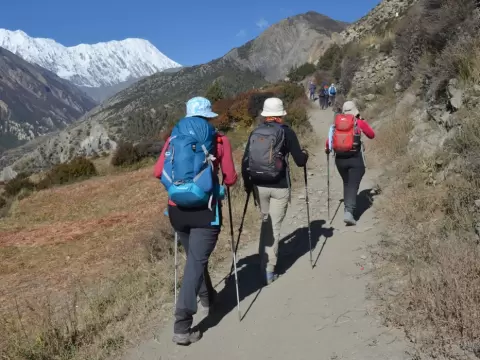
This trek is classified as a moderate to challenging trek, making it suitable for both experienced trekkers and physically fit beginners who are prepared for long walking days. The difficulty level varies throughout the trek, with some sections being easier and others requiring endurance and acclimatization.

The Thorong La Pass crossing is the most challenging part, as it involves a steep ascent to 5,416 meters, requiring physical stamina and proper acclimatization. The high altitude and thin air can make the trek demanding, and trekkers must be cautious about altitude sickness. The gradual ascent through Manang, along with an acclimatization day, helps in adjusting to the altitude.

The Poon Hill section is less strenuous but involves long ascents and descents, particularly the steep climb from Tatopani to Ghorepani. While not technically difficult, it requires good endurance. Trekkers should be prepared for 6 to 9 hours of walking per day, with varying terrain including rocky paths, suspension bridges, and forest trails. A basic level of fitness, proper gear, and mental determination are essential for completing this trek successfully.

Why Choose Annapurna Circuit and Poon Hill Trek with Cime Himalaya Trek & Expedition?
At Cime Himalaya Trek & Expedition, we prioritize safety, comfort, and an authentic trekking experience. With years of experience in the Himalayas, our expert guides ensure a well-organized and memorable journey, providing insightful cultural experiences along the way.

Our small group sizes and personalized service allow trekkers to enjoy a more intimate experience with the landscapes and local communities. We offer well-planned itineraries that include proper acclimatization, ensuring trekkers adjust to the high altitude safely. Our guides are trained in first aid and altitude sickness management, ensuring a secure trekking experience.

We also believe in responsible and sustainable tourism, supporting local communities by employing local guides and using eco-friendly trekking practices. Our commitment to quality service, ethical trekking, and customer satisfaction makes us the perfect choice for your Annapurna Circuit and Poon Hill adventure. Whether you’re an experienced trekker or a first-time visitor to Nepal, we ensure an unforgettable journey filled with breathtaking landscapes, cultural richness, and once-in-a-lifetime experiences.

Trip Itinerary

Trip itineraries are customizable according to your timetable and budget. Simply, Contact Us.

Your adventure begins with an early morning departure from Kathmandu. The scenic drive takes you along the Prithvi Highway, passing through lush hills, terraced fields, and small villages. After reaching Besisahar, the official gateway to the Annapurna Circuit, you switch to a rugged jeep ride that follows the Marsyangdi River. The journey offers breathtaking views of cascading waterfalls, dense forests, and snow-capped peaks. Upon arrival in Dharapani, a charming village with a mix of Tibetan and Gurung culture, you can relax and prepare for the trek ahead.

Your first full day of trekking begins with a gradual ascent through rhododendron and pine forests. As you move higher, you pass through the villages of Bagarchhap and Timang, where you get your first stunning views of Manaslu (8,163 m). The trail follows the Marsyangdi River, leading you through a deep gorge before reaching Chame, the district headquarters of Manang. Here, you’ll find hot springs where you can relax and soak in the spectacular mountain scenery.

The trek continues through a narrow valley with towering cliffs on either side. You’ll cross several suspension bridges and walk through pine forests before reaching Dhikur Pokhari, a beautiful spot for a short break. As you approach Upper Pisang, the landscape transitions to a more arid, high-altitude environment. The village offers stunning views of Annapurna II and IV. A visit to the local monastery in Upper Pisang is highly recommended to experience Buddhist culture in the Himalayas.

This day’s trek is one of the most scenic as you take the high-altitude route via Ghyaru and Ngawal. The steep ascent to Ghyaru rewards you with panoramic views of Annapurna II, III, IV, and Pisang Peak. The trail continues through the windswept landscapes of Ngawal, a picturesque Tibetan-style village. After a gradual descent, you arrive in Manang, a major stop on the Annapurna Circuit. The village is set against a stunning backdrop of glaciers and towering peaks.

To help with acclimatization, you’ll spend a day in Manang, exploring its beautiful surroundings. You can opt for a short hike to Gangapurna Tal, a glacial lake offering mesmerizing reflections of the surrounding peaks. Another option is the hike to Ice Lake (4,600 m), a challenging yet rewarding trek with breathtaking views. In the evening, you can visit the Himalayan Rescue Association to learn about high-altitude sickness before continuing your ascent.

The trek today is relatively short but involves a significant altitude gain. As you leave Manang, the vegetation becomes sparse, and you enter an alpine desert. The trail passes through Gunsang, a small settlement with tea houses, before gradually climbing to Yak Kharka. This area is known for its grazing yaks and offers stunning views of the Annapurna range. Since the air is thinner here, it's essential to walk slowly and stay hydrated.

Today’s trek takes you closer to the highest point of the trek, Thorong La Pass. The trail follows a gradual ascent to Ledar, before crossing a landslide-prone section. A final steep climb leads to Thorong Phedi, the base camp for the pass. If you’re feeling strong, you can hike an additional hour to High Camp for a better acclimatization experience and a head start for the next day’s challenging trek.

The toughest yet most rewarding day of the trek begins early in the morning. You’ll ascend steeply towards Thorong La Pass, the highest point of the trek. The breathtaking 360-degree views from the pass make the effort worthwhile. After spending some time at the pass, you begin the long descent to Muktinath, a sacred pilgrimage site for both Hindus and Buddhists. Here, you can visit the famous Muktinath Temple and enjoy the serene atmosphere.

After breakfast, a scenic drive takes you from the arid Mustang region down to Tatopani. The journey passes through the apple orchards of Marpha and the bustling town of Jomsom. As you descend, the landscape transforms into lush greenery. Upon reaching Tatopani, you can relax in the natural hot springs, soothing your tired muscles after days of trekking.

Leaving Tatopani, you begin a long, steep ascent through terraced fields and rhododendron forests. The climb is challenging but rewarding, as you gain elevation and witness stunning views of Dhaulagiri and Annapurna South. The trek passes through small Magar villages before reaching Ghorepani, a beautiful village known for its breathtaking sunrise views over the Himalayas.

An early morning hike to Poon Hill offers one of the most spectacular sunrise views in Nepal. As the sun rises over the Annapurna and Dhaulagiri ranges, the golden hues create a magical panorama. After enjoying the view, you descend to Ghorepani for breakfast before trekking towards Tadapani. The trail winds through rhododendron forests, where you may spot Langur monkeys and exotic birds.

The trail descends through lush forests, offering glimpses of Machhapuchhre (Fishtail) and Annapurna South. After a short but scenic trek, you arrive in Ghandruk, a traditional Gurung village known for its warm hospitality and cultural heritage. You can explore the local museum, visit ancient monasteries, and enjoy stunning mountain views before resting for the night.

After breakfast, you descend to Nayapul, where your trekking adventure concludes. From here, a short drive takes you back to Pokhara, a beautiful lakeside city. You can spend the evening relaxing by Phewa Lake, exploring the vibrant streets, or enjoying a celebratory dinner with your trekking team.

Your journey comes to an end as you either take a scenic drive or a short flight back to Kathmandu. Upon arrival, you can explore the capital city, shop for souvenirs, or enjoy a farewell dinner with your trekking team, celebrating the incredible adventure you just completed.

This Annapurna Circuit and Poon Hill Trek with Cime Himalaya Trek & Expedition offers a perfect blend of high-altitude adventure, cultural immersion, and breathtaking Himalayan scenery. Whether it's crossing Thorong La Pass, relaxing in Tatopani’s hot springs, or witnessing the sunrise from Poon Hill, every moment is an unforgettable experience!

Not satisfied with this itinerary? Make your own.
Plan Your Trip

Cost Includes

  • Permit: All the necessary trekking permits.
  • Accommodation: 1 night hotel in Pokhara and 12 nights in lodge during the trek.
  • Road transportation: Drop-off from Kathmandu to Dharapani and pick-up Mukitnath to Tatopani by local transport, Ghandurk to Pokhara by private jeep and Pokhara to Kathmandu by tourist bus. If you prefer to drive by private vehicle for more comfort, we provide it at an additional cost. 
  • Meal: On full-board meals (breakfast, lunch, and dinner) with a cup of tea or coffee each meal during the trek, as well as seasonal fresh fruit dessert every evening after dinner.
  • Filed staff: An experienced government-licensed, English-speaking trekking guide and necessary porter normally 1 porter for 2 trekkers who carry max 25 kg, as well as their meals, transportation, insurance, accommodations, and equipment. If there are more than 4 people in a group, there will be a guide assistant.
  • Equipment: Each of you is given a waterproof duffle bag by our agency to use during your trek. Leave the materials you don't need for trekking in your travel bag at your hotel in Kathmandu.
  • All government, local taxes, and official expenses
  • Water purification tablets to purify your water during the trek for safe drinking water.
  • An oximeter to measure your oxygen and pulse level during the trek in the mountain is very useful for all trekkers to be aware of high altitude sickness.
  • We assist in arranging emergency rescue operations in the event of complex health conditions, and your travel insurance will cover the cost.

Cost Excludes

  • Fares for international flights
  • Nepal entry visa fee on arrival at Tribhuvan International Airport: US$ 50 for 30 days.
  • All meals and accommodation in Kathmandu and meals in Pokhara except breakfast. 
  • Personal expenses: shopping, snacks, boiled water, extra tea/coffee, cold drinks, hot shower, alcohol, Wi-Fi, telephone call, battery re-charge fee, extra porters, etc.
  • Your personal trekking/hiking gear 
  • Travel insurance that is mandatory for emergency high-altitude rescue and evacuation
  • Tips for guides and porters that are highly recommended
  • Additional costs may occur due to causes beyond our control, such as landslides, weather conditions, itinerary modifications due to safety concerns, illness, changes in government policies, strikes, etc.
  • All other services, costs, and expenses not listed in the list of costs included.
  • If you depart earlier than the itinerary program, your payment will not be refunded, and early arrival or late departure expenses will not be covered by your trip cost.

Trip Info

Food & Accommodations
The Annapurna Circuit and Poon Hill Trek offer a variety of accommodation options, primarily teahouses and lodges run by local families. These teahouses provide a cozy and authentic trekking experience, with basic but comfortable rooms. Most rooms are twin-sharing with simple beds, blankets, and pillows. As you ascend higher, the accommodations become more basic due to the remote location, but they still provide a warm and welcoming atmosphere. In popular trekking areas like Manang, Muktinath, and Ghorepani, some lodges offer better facilities, including attached bathrooms and hot showers for an extra charge.

Food along the trek is hearty and energy-rich, with a menu featuring a mix of Nepali, Tibetan, and continental dishes. The most popular meal is Dal Bhat (rice, lentil soup, vegetables, and pickles), known for providing sustained energy throughout the day. Other options include noodles, pasta, momos (dumplings), chapati, porridge, eggs, and soups. Breakfast usually consists of pancakes, toast, porridge, or muesli with tea or coffee. As you go higher, food variety becomes more limited due to transportation challenges, but all meals are freshly prepared and nourishing.

It is recommended to eat vegetarian meals during the trek as meat is not always fresh in high-altitude areas. While some teahouses offer non-vegetarian options, the meat is often carried up from lower elevations without proper refrigeration. Trekkers can also find snacks, chocolates, and energy bars in teahouses, though prices increase as you gain altitude due to the difficulty of transportation.

Drinking Water
Staying hydrated is crucial during the trek, especially in high-altitude areas where dehydration can contribute to altitude sickness. Trekkers have multiple options for safe drinking water, including bottled mineral water, boiled water, and water purification methods.

Bottled water is available at teahouses and small shops along the route, but its price increases as you go higher due to transportation costs. To minimize plastic waste, many trekkers choose to refill their bottles with boiled or filtered water provided by teahouses for a small fee. Boiled water is a safe and environmentally friendly option, as it is treated to kill bacteria and parasites.

Another alternative is using water purification tablets, UV purifiers, or portable filters to treat water from local streams, rivers, or taps. This is a budget-friendly and sustainable option that allows trekkers to stay hydrated without contributing to plastic pollution. Carrying at least two liters of water at all times is recommended, especially on long trekking days when refilling stations may be limited.

Electricity or Charging Facilities
Charging electronic devices like mobile phones, cameras, and power banks is possible at most teahouses along the trek, but availability and costs vary depending on altitude. In lower regions, charging is usually free or available for a small fee, but as you ascend higher, teahouses charge around USD 2-5 per hour due to limited electricity sources.

Many villages rely on solar power for electricity, which means charging facilities may not always be available, especially on cloudy days. To avoid inconvenience, trekkers are advised to carry power banks or solar chargers to ensure they have enough battery life for their devices.

In some remote areas like Thorong Phedi and High Camp, charging facilities may be very limited or unavailable. Therefore, managing battery usage wisely and carrying extra charging options can be beneficial, especially for capturing photos and staying connected with family and friends.

Network & Communications
Mobile network coverage varies throughout the trek, with better connectivity in lower regions and limited signals at higher altitudes. The two main mobile network providers in Nepal, NTC (Nepal Telecom) and Ncell, offer prepaid SIM cards with voice and data services, which can be used in many villages along the route. However, the signal strength weakens as you ascend, particularly in remote areas like Yak Kharka, Thorong Phedi, and High Camp.

Many teahouses provide Wi-Fi services for an additional charge, ranging from USD 2-5 per session. Wi-Fi is more reliable in Manang, Muktinath, and Ghorepani, but at higher elevations, it can be slow and unstable due to weather conditions. Some trekkers prefer purchasing an Everest Link or AirLink Wi-Fi card, which provides internet access in various trekking regions, including parts of the Annapurna Circuit.

For emergency communication, satellite phones are available at some lodges, and trekking guides from Cime Himalaya Trek & Expedition carry emergency contact devices to ensure safety in case of unforeseen situations. Trekkers should inform their families about the limited connectivity before the trek and make necessary arrangements for offline navigation and communication.

Weather Conditions
Weather conditions in the Annapurna region vary significantly based on altitude and season. The best trekking seasons—spring (March-May) and autumn (September-November)—offer stable weather, clear skies, and moderate temperatures. During these months, daytime temperatures range from 10°C to 20°C in lower elevations and -5°C to 10°C at higher altitudes. Nights are colder, especially above 3,500m, where temperatures can drop below freezing.

In winter (December-February), the temperatures drop significantly, reaching as low as -20°C at Thorong La Pass. Heavy snowfall can make the pass dangerous or impassable, requiring extra preparation for cold-weather trekking. However, lower elevations like Ghorepani and Poon Hill remain accessible, making winter an option for trekkers who prefer a quieter experience.

The monsoon season (June-August) brings heavy rainfall, making trails slippery and prone to landslides. While the rain shadow areas of Manang and Mustang receive less rain, clouds can obscure mountain views. Despite the challenges, some trekkers opt for the monsoon season to experience lush green landscapes and fewer crowds.
Why Book with Us
  • Excellent customer service. Our travel experts are ready to help you 24/7.
  • Best price guaranteed
  • No credit card or booking fees.
  • 100% financial protection.
  • Environmentally-friendly tours.

Equipment List

We advise that carrying the appropriate and proper equipment is better than carrying an excessive quantity of equipment. So, one should only carry appropriate and only absolutely necessary equipment with self; 

HEAD
  • Bandana or headscarf, also useful for dusty conditions
  • Warm hat that covers your ears (wool or synthetic)
  • Headlight with extra batteries and bulbs
  • Sunglasses with UV protection
UPPER BODY 
  • Polypropylene shirts (2 half sleeve and 2 long sleeves)
  • Light and expedition weight thermal tops
  • Fleece wind-stopper jacket or pullover
  • 1 ultra-light down jacket 
  • 1 warm down vest and/or jacket
  • Gore-Tex jacket with hood, waterproof and breathable
HANDS
  • 1 pair of lightweight poly liner gloves.
  • 1 pair of lightweight wool or fleece gloves
  • 1 pair of mittens, consists of 1 Gore-Tex over mitt matched with a very warm polar-fleece mitt liner (seasonal)
LOWER BODY 
  • Non-cotton underwear briefs
  • 1 Hiking shorts
  • 1 pair of hiking pants
  • 1 pair of lightweight thermal bottoms (seasonal)
  • 1 pair of fleece or woolen trousers
  • 1 waterproof, windproof pants (Gore-Tex or similar)
FEET
  • 2 pairs of thin, lightweight inner socks
  • 2 pairs of heavy poly socks
  • 1 pair of Hiking boots with spare laces (sturdy soles, water-resistant, ankle support, “broken-in”)
  • 1 pair of running shoes and sandals
  • Cotton socks (optional)
SLEEPING BAG
  • 1 sleeping bag (good to -15⁰C) it’s rentable in Kathmandu. 
LUGGAGE & DAYPACK 
  • Your travel luggage with your all materials
  • A backpack (35 to 40 liters) for carrying yourself during the trek with necessary items.
  • 1 waterproof backpack covers (optional)
  • A large duffle bag (it will be provided by Cime Himalaya Trek & Expedition)
FIRST AID KIT
  • Small, personal first-aid kit. (simple and light)
  • Aspirin, first-aid tape, and plasters (Band-Aids)
  • 1 skin-blister repair kit
  • Anti-diarrhea pills
  • Anti-headache pills
  • A cough and/or cold medicine
  • Anti-altitude sickness pills: Diamox or Acetazolamide
  • Stomach antibiotic: Ciprofloxacin, etc. Do not bring sleeping pills as they are a respiratory depressant.
  • Water purification tablets or the water filter
  • 1 set of earplugs
  • Extra pair of prescription glasses, contact lens supplies
PRACTICAL ITEMS
  • 1 small roll of repair tape, 1 sewing-repair kit
  • 1 cigarette lighter, 1 small box of matches if you smoke.
  • 1 compass or GPS (optional)
  • 1 alarm clock/watch
  • 1 digital camera with extra cards and batteries
  • 2 large Ziplocs plastic bags
  • 1 water bottle of 1L or 1.5 liters 
  • 1 thermos – 500ml or 1L 
  • 1 small pocket knife
  • Binoculars (optional) if you need
  • 1 pair of adjustable trekking poles
TOILETRIES
  • 1 medium-sized quick-drying towel
  • Toothbrush/paste (preferably biodegradable)
  • Multipurpose soap (preferably biodegradable)
  • Deodorants
  • Nail clippers
  • Face and body moisturizer
  • Female hygiene products
  • Small mirror
PERSONAL HYGIENE
  • Wet wipes (baby wipes)
  • Tissue /toilet roll can buy in trek 
  • Anti-bacterial handwash
EXTRAS 
  • Reading book
  • Trail map/guidebook
  • Plug adapter (2 round pegs to 2 flat pegs)

Frequently Asked Questions

The Annapurna Circuit and Poon Hill Trek is classified as a moderate to challenging trek, requiring a good level of physical fitness and endurance. Trekkers will be walking an average of 6 to 9 hours per day, covering a variety of terrain, from forested trails and suspension bridges to steep ascents and high-altitude mountain passes. The most demanding section of the trek is the Thorong La Pass (5,416m), which requires a long and steady climb in thin air, followed by a steep descent to Muktinath. The trek also includes significant ascents, such as the climb to Ghorepani and Poon Hill, which, although not as high as Thorong La, can still be physically demanding.

While prior trekking experience is not mandatory, good cardiovascular endurance, leg strength, and mental determination are crucial. To prepare for the trek, we recommend engaging in hiking, running, cycling, or strength training at least a few weeks before your trip. With proper acclimatization, a steady pace, and the guidance of our experienced Cime Himalaya Trek & Expedition team, the trek is achievable and highly rewarding for those who are physically prepared.

No prior high-altitude trekking experience is necessary for this trek, making it suitable for beginners with a reasonable level of fitness. However, since the trek involves long walking days, steep climbs, and high altitude, it is highly recommended that trekkers have some prior experience in hiking or long-distance walking. If you are new to trekking, starting with short day hikes or multi-day treks in your home country will be beneficial before attempting this journey.

Our expert guides at Cime Himalaya Trek & Expedition ensure that even beginners can complete this trek by maintaining a steady pace, allowing for proper acclimatization, and providing the necessary guidance and support. If you are new to trekking, hiring a guide and porter will make your journey much easier and more enjoyable, allowing you to focus on the incredible landscapes rather than carrying a heavy backpack.

Yes, altitude sickness (Acute Mountain Sickness AMS) is a potential risk on the Annapurna Circuit and Poon Hill Trek, especially when trekking above 3,000 meters. The key high-altitude areas include Manang (3,540m), Yak Kharka (4,050m), Thorong Phedi (4,525m), High Camp (4,925m), and Thorong La Pass (5,416m). Symptoms of altitude sickness can include headaches, nausea, dizziness, shortness of breath, and loss of appetite.

To minimize the risk, our trekking itinerary includes proper acclimatization days, such as a rest day in Manang, where trekkers can hike to Ice Lake or Gangapurna Tal to adjust to the altitude before proceeding higher. It is important to walk at a slow and steady pace, drink plenty of water (at least 3-4 liters per day), and avoid alcohol and smoking during the trek.

In case of severe altitude sickness, our experienced guides are trained in first aid and emergency response. If symptoms worsen, the best solution is to descend immediately. In rare cases, evacuation via helicopter rescue (covered by travel insurance) may be required. Cime Himalaya Trek & Expedition prioritizes trekkers’ safety and ensures that all precautions are taken to reduce the risks associated with high-altitude trekking.

The Annapurna Circuit and Poon Hill Trek follows a teahouse trekking system, meaning that accommodation is provided in local teahouses and lodges along the route. These teahouses offer basic but comfortable rooms, usually on a twin-sharing basis. The rooms include a bed, blanket, pillow, and sometimes an attached bathroom in lower regions. However, as you ascend higher, facilities become more basic, with common bathrooms and limited access to hot showers.

The food available in teahouses is hearty and energy-rich, designed to keep trekkers fueled for long walking days. A typical meal includes Dal Bhat (rice, lentil soup, vegetables, and pickles), noodles, pasta, soups, momos (dumplings), Tibetan bread, eggs, porridge, and chapati. Breakfast options include pancakes, toast, muesli, porridge, and tea or coffee. Since fresh meat is difficult to transport to high-altitude areas, vegetarian meals are recommended for health and hygiene reasons.

Our trekking package at Cime Himalaya Trek & Expedition includes three meals per day (breakfast, lunch, and dinner), ensuring that trekkers have enough nutrition to sustain them throughout the journey. Special dietary requirements can be accommodated if informed in advance.

Safe drinking water is readily available throughout the trek, but trekkers should take precautions to ensure it is purified. Bottled water is sold at teahouses and shops along the route, but prices increase as you ascend higher due to transportation difficulties. To minimize plastic waste, many trekkers prefer boiled water, which is available at teahouses for a small fee.

A more eco-friendly and budget-friendly option is to use water purification tablets, UV purifiers, or portable water filters to treat tap water or water from natural sources like rivers and streams. Cime Himalaya Trek & Expedition encourages trekkers to carry a reusable water bottle and purification system to ensure safe drinking water while reducing environmental impact.

Yes, charging facilities for mobile phones, cameras, and power banks are available at most teahouses, but they come at an extra cost. In lower-altitude villages, charging may be free or cost around USD 1-2 per hour, while in higher regions, prices can range from USD 3-5 per hour due to limited electricity supply. Many teahouses rely on solar power, meaning charging may not always be available, especially on cloudy days.

To avoid inconvenience, we recommend carrying a power bank or solar charger to keep your devices powered throughout the trek. Turning off unnecessary apps and keeping your phone in battery-saving mode can also help conserve energy.

Mobile network coverage varies along the trek, with stronger signals in lower regions and limited or no coverage at higher altitudes like Thorong Phedi and High Camp. The two major network providers in Nepal, NTC (Nepal Telecom) and Ncell, offer SIM cards with prepaid voice and data services, which work well in areas like Manang, Muktinath, and Pokhara.

Most teahouses offer Wi-Fi services for an additional charge, typically USD 2-5 per session. However, Wi-Fi can be slow and unreliable at higher elevations due to weather conditions. An alternative is to purchase an Everest Link or AirLink Wi-Fi card, which provides internet access in certain trekking areas. Cime Himalaya Trek & Expedition recommends informing family and friends about limited connectivity in advance and preparing offline maps and entertainment for the trek.

At Cime Himalaya Trek & Expedition, we are committed to providing a safe, well-organized, and enriching trekking experience. Our team consists of experienced, English-speaking guides and porters who are well-trained in high-altitude trekking, first aid, and emergency response.


We prioritize small group sizes to ensure personalized attention and proper acclimatization. Our itineraries are designed for a gradual ascent, minimizing the risk of altitude sickness while allowing trekkers to fully enjoy the landscapes, culture, and adventure.

Furthermore, we are dedicated to responsible tourism, supporting local communities by employing local guides and using eco-friendly trekking practices. Whether you are a first-time trekker or an experienced adventurer, we ensure an unforgettable journey through the Annapurna Circuit and Poon Hill, leaving you with memories that last a lifetime.

Read more FAQs

Similar Trips

Trekking
Khopra Ridge and Mohare Danda Trek - 11 days
Difficulty
Moderate
Max. altitude: 
4,600 m
Price on request
Explore
Most Popular
Trekking
Annapurna Circuit Trek with Tilicho Lake - 12 days
Difficulty
Strenuous
Max. altitude: 
5,416 m
Price on request
Explore
Trekking
Annapurna Base Camp and Mardi Himal Trek - 11 days
Difficulty
Moderate
Max. altitude: 
4,500 m
Price on request
Explore
Trekking
Annapurna Circuit Trek with Naar Phu Valley - 13 days
Difficulty
Strenuous
Max. altitude: 
5,416 m
Price on request
Explore
Trekking
Short Annapurna Circuit Trek - 10 days
Difficulty
Strenuous
Max. altitude: 
5,416 m
Price on request
Explore
Trekking
Annapurna Circuit, Poon Hill and ABC Trek - 18 days
Difficulty
Strenuous
Max. altitude: 
5,416 m
Price on request
Explore
Trekking
Poon Hill and Annapurna Base Camp Trek - 10 days
Difficulty
Moderate
Max. altitude: 
4,130 m
Price on request
Explore
Trekking
Poon Hill and Mardi Himal Trek - 9 days
Difficulty
Moderate
Max. altitude: 
4,500 m
Price on request
Explore

Join Our Newsletter

Sign up to stay updated with latest offers, recent events and more news.