Cime Himalaya

Khopra Ridge and Mohare Danda Trek

  • Best price guaranteed
  • No booking fees
  • Book Now, Pay Later
Price on request
Price varies by group size
  • Best price guaranteed
  • No booking fees
  • Book Now, Pay Later
Share
Print
Duration
11 days
Activity
Trekking
Max. altitude
4,600 m / 15,091 ft
Highest overnight
3,650 m / 11,975 ft
Group size
Min 1+
Difficulty
Moderate
Trip starts/ends
Kathmandu / Kathmandu
Trekking starts/ends
Ghandruk / Ulleri
Best season
March, April, May, Jun, October, November & December.
Accommodation
2 night hotel in Pokhara and 8 nights in guesthouse/ lodge during the trek.
Meals
On full-board meal during the trek. 
Transportation
All ground transportation by tourist bus Kathmandu – Pokhara – Kathmandu and by private jeep Pokhara to Ghandruk and Ulleri to Pokhara. 
Trip route
Kathmandu-Pokhara-Ghandruk-Tadapani-Dobato-Muldai View Point-Chistibung-Khopra Ridge-Khaya Lake-Swanta-Ghorepani-Poon Hill-More Danda-Ulleri-Pokhara-Kathmandou.

Highlights

  • Explore Ghandruk and Tadapani, traditional Gurung villages with rich culture and stunning mountain views.
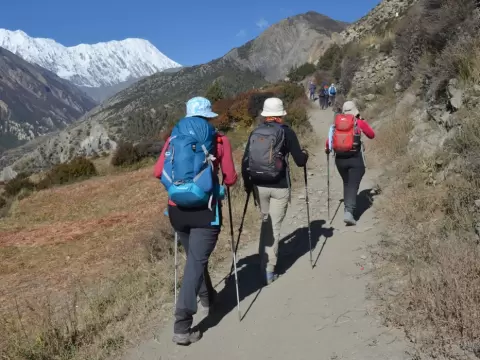
  • Trek through lush rhododendron forests and alpine landscapes with breathtaking Himalayan panoramas.
  • Hike to Muldai Viewpoint (3,637m) for spectacular sunrise and mountain vistas.
  • Experience the remote beauty of Khopra Ridge (3,650m) with panoramic views of Dhaulagiri, Annapurna, and Nilgiri.
  • Optional hike to sacred Khyar Lake (4,600m) for an adventurous and rewarding challenge.
  • Visit Swanta and Ghorepani, charming villages with terraced fields and cultural experiences.
  • Witness a magical sunrise from Poon Hill (3,210m), one of Nepal’s most famous viewpoints.
  • Discover the hidden gem of Mohare Danda (3,350m), a peaceful alternative to Poon Hill with fewer crowds.
  • Immerse in local culture, diverse landscapes, and off-the-beaten-path trekking experiences.

Overview

The journey begins with a scenic drive or a short flight from Kathmandu to Pokhara, a beautiful lakeside city. From there, the adventure continues with a drive to Ghandruk, a charming Gurung village, before starting the trek towards Tadapani, passing through lush forests and traditional settlements. The trail then ascends to Dobato, offering breathtaking views of the Annapurna and Dhaulagiri ranges. From Dobato, an early morning hike leads to the stunning Muldai View Point before descending through rhododendron forests to Chistibung.

Ascending further, the trek reaches Khopra Ridge, a spectacular vantage point with panoramic mountain views. A full day is dedicated to exploring the area, with an optional but rewarding hike to the sacred Khyar Lake, nestled at 4,600 meters. Descending through alpine landscapes, the route continues to Swanta, a picturesque village with terraced fields and traditional houses. The journey then proceeds to Ghorepani, a famous stop on the Annapurna Circuit, before an early morning ascent to Poon Hill, where mesmerizing sunrise views over the Himalayas await.

From Poon Hill, the trek continues towards Mohare Danda, a serene and less-traveled viewpoint offering a unique perspective of the surrounding peaks. The descent leads to Ulleri, a village known for its stone staircases, before driving back to Pokhara, marking the end of the trekking adventure. The trip concludes with a return to Kathmandu by road or air, leaving behind unforgettable memories of the stunning landscapes, diverse cultures, and warm hospitality encountered along the way.

Major Viewpoints and Mountain Vistas
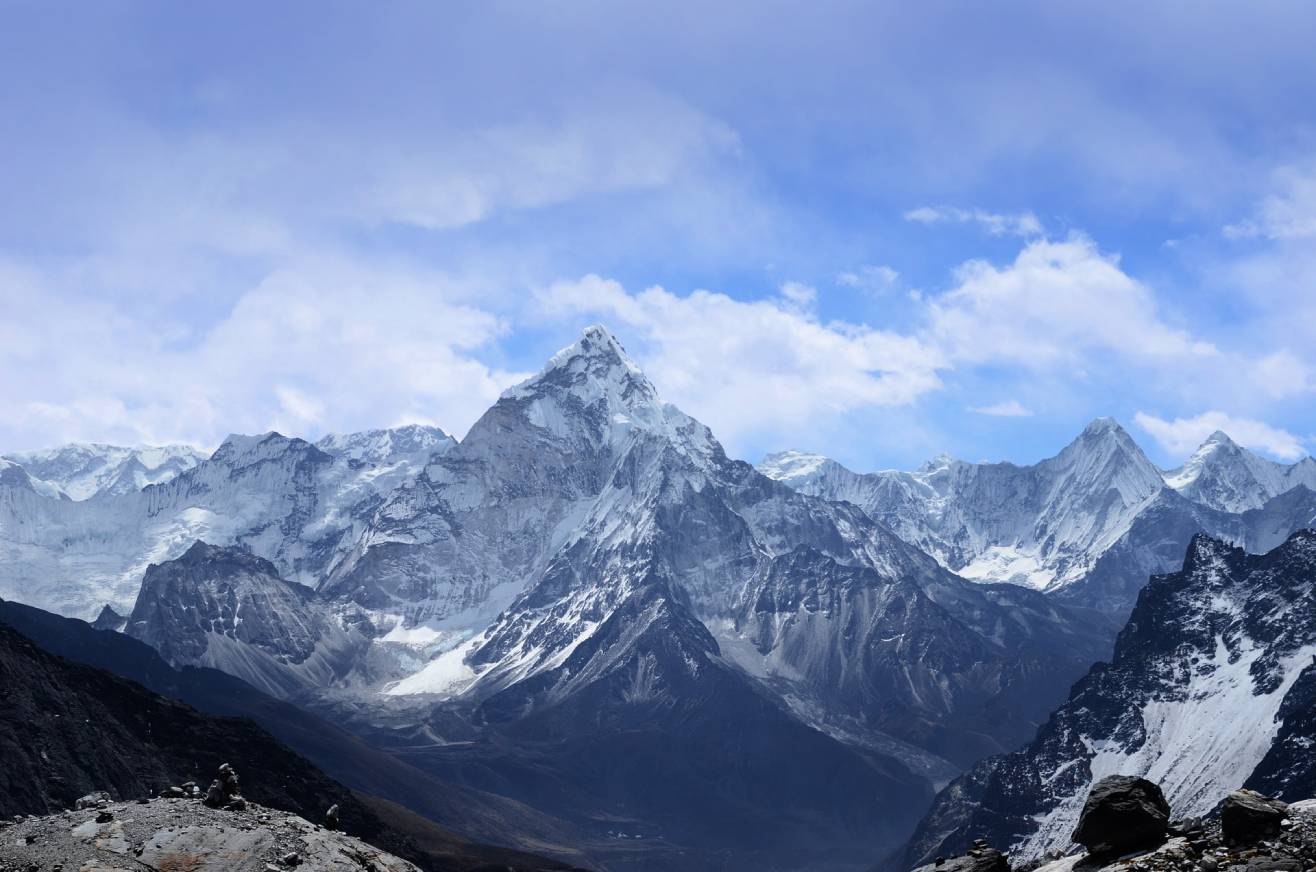
The Khopra Ridge and Mohare Danda Trek offer some of the most breathtaking mountain panoramas in the Annapurna region. One of the trek's key highlights is Khopra Ridge (3,650m), an exceptional vantage point that provides a 360-degree view of the Himalayas, including Annapurna South, Dhaulagiri, Nilgiri, Hiunchuli, Machhapuchhre (Fishtail), and Lamjung Himal. The Khopra Ridge and Mohare Danda trek offer an unspoiled and less-crowded alternative to other popular trekking routes, making it perfect for those seeking solitude and stunning landscapes. 

Another spectacular viewpoint is Muldai Viewpoint (3,637m), located near Dobato. This viewpoint is often called the "hidden gem of Annapurna" due to its breathtaking sunrise and sunset views. From here, trekkers can witness over 25 peaks, including the entire Annapurna and Dhaulagiri ranges. The short hike from Dobato to Muldai in the early morning rewards travelers with golden Himalayan peaks glowing under the first rays of the sun.

The trek also takes you to Poon Hill (3,210m), one of Nepal’s most famous sunrise viewpoints. Here, trekkers can witness the magical transformation of the sky, with hues of orange and pink reflecting off the snow-capped peaks of Annapurna and Dhaulagiri. Lastly, Mohare Danda (3,350m) offers another incredible panoramic view, similar to Poon Hill but with fewer crowds. This peaceful viewpoint is ideal for trekkers looking for a quieter experience while still enjoying breathtaking mountain scenery.

Natural Attractions: Forests, Lakes, and Landscapes
The trek passes through diverse landscapes, from lush rhododendron forests to alpine meadows and high ridges. In the spring, the trail is particularly beautiful, as the forests are in full bloom with red, pink, and white rhododendron flowers, making the trek even more picturesque. These forests are home to various wildlife, including Himalayan monals (Nepal’s national bird), langurs, and even the elusive snow leopard in higher elevations.

One of the trek’s most rewarding natural attractions is Khyar Lake (4,600m), a sacred glacial lake nestled in the high Himalayas. This optional day hike from Khopra Ridge is challenging but incredibly rewarding, offering stunning reflections of Annapurna South and Nilgiri on the crystal-clear water. The lake is also significant in local culture, as it is considered sacred by Hindus and Buddhists, with pilgrims visiting it during special festivals.

As the trek descends, it passes through terraced farmlands, waterfalls, and deep river valleys, providing a constantly changing landscape. The journey from Khopra Ridge to Swanta and Ghorepani offers scenic beauty, with small rivers and dense forests creating a serene and refreshing atmosphere. The final part of the trek, through Mohare Danda and Ulleri, showcases stunning hilltop views and peaceful surroundings, perfect for those who love nature and off-the-beaten-path trails.

Cultural Attractions: Villages, Monasteries, and Traditions
The Khopra Ridge and Mohare Danda Trek take trekkers through traditional Gurung and Magar villages, offering an authentic cultural experience. Ghandruk, Tadapani, and Swanta are some of the most picturesque villages along the route, known for their warm hospitality, stone-paved alleys, and traditional houses. Ghandruk is home to the Gurung Museum, where travelers can learn about the history, customs, and lifestyle of the Gurung people, many of whom have served in the British and Indian Gurkha regiments.

The trek also provides opportunities to visit Buddhist monasteries, chortens, and prayer flags that reflect the spiritual side of the region. As you move towards higher elevations, you will encounter Buddhist stupas and small monasteries, where monks and locals perform daily rituals. These spiritual landmarks add a peaceful and mystical charm to the journey, allowing trekkers to experience Nepal’s rich religious traditions.

Another cultural highlight is the chance to stay in community eco-lodges in Mohare Danda, which were established to promote sustainable tourism. These lodges are run by local communities, ensuring that tourism directly benefits the villages. Trekkers can enjoy traditional Nepali meals, experience folk music and dances, and interact with local families, gaining deeper insight into the Himalayan way of life.

Best Time for Khopra Ridge and Mohare Danda Trek
The best time to trek to Khopra Ridge and Mohare Danda is during the spring (March to June) and autumn (September to December) seasons. These periods offer the most favorable weather, clear mountain views, and comfortable trekking conditions. During spring, the forests along the trail come alive with vibrant rhododendron blooms, painting the landscape with shades of red, pink, and white. The temperatures are mild, making it an excellent time for trekking while enjoying the stunning Himalayan scenery.

Autumn is another ideal season as the monsoon rains clear away dust and pollution, providing crystal-clear visibility of the Annapurna and Dhaulagiri mountain ranges. The skies remain mostly blue, and the trails are in excellent condition. This season also coincides with Nepal's biggest festivals, Dashain and Tihar, allowing trekkers to experience rich cultural traditions in the villages along the route. The comfortable daytime temperatures and cooler nights make this season perfect for trekking.

While winter (January to February) is also an option, higher elevations like Khopra Ridge and Mohare Danda can get very cold, with temperatures dropping below freezing. Snowfall can make the trails more challenging, but it also adds a beautiful winter wonderland effect to the landscape. Monsoon season (July to August) is the least recommended time due to heavy rainfall, slippery trails, and limited mountain visibility, but it can be a unique experience for those who enjoy lush greenery and fewer crowds.

Khopra Ridge and Mohare Danda Trekking Difficulty Level
The Khopra Ridge and Mohare Danda Trek is considered a moderate trek, making it suitable for trekkers with a basic level of fitness and some prior hiking experience. Unlike high-altitude treks such as Everest Base Camp or Annapurna Circuit, this trek does not require technical climbing skills, but it does involve daily walks of 4 to 6 hours on mountainous terrain. The trek includes a mix of gradual ascents, steep climbs, and downhill sections, testing endurance while offering rewarding panoramic views.

One of the more challenging segments is the climb to Khopra Ridge (3,650m), where trekkers ascend at a steady pace to reach the breathtaking viewpoint. For those opting for the Khyar Lake (4,600m) hike, the difficulty level increases, as this section is more strenuous and takes 8 to 9 hours of trekking in a single day. However, this part is optional and recommended only for physically fit and experienced trekkers.

Acclimatization is usually not a major concern on this trek, as the altitude gain is gradual, reducing the risk of altitude sickness. However, proper hydration, a steady pace, and adequate rest days are essential for a comfortable trekking experience. With the right preparation, including regular cardio exercises, leg-strengthening workouts, and endurance training, trekkers of all levels can enjoy this incredible Himalayan journey.

Why Choose Khopra Ridge and Mohare Danda Trek with Cime Himalaya Trek & Expedition?
Cime Himalaya Trek & Expedition is a trusted trekking company with years of experience in organizing unforgettable Himalayan adventures. Choosing this trek with our professional guides and well-planned itinerary ensures a safe, enjoyable, and culturally immersive experience. Our team is committed to providing personalized service, offering small group sizes to maintain a more intimate and flexible trekking experience.

We focus on off-the-beaten-path experiences, and Khopra Ridge and Mohare Danda are perfect alternatives to the more crowded Annapurna Base Camp and Ghorepani-Poon Hill treks. Our expert guides lead trekkers through hidden trails, local villages, and eco-lodges, ensuring a unique experience that goes beyond just trekking. We also emphasize sustainable tourism, supporting community-run lodges and local businesses to contribute to the well-being of the Himalayan communities.

With Cime Himalaya Trek & Expedition, trekkers can expect well-planned logistics, expert guidance, and excellent customer service from start to finish. We take care of permits, transportation, accommodations, and meals, allowing you to fully immerse yourself in the beauty of the Himalayas. Whether you're a solo traveler, a couple, or a group of friends, we customize treks to match your preferences and fitness level, ensuring an unforgettable Himalayan adventure with breathtaking scenery and meaningful cultural experiences.

Conclusion
The Khopra Ridge and Mohare Danda Trek is a perfect blend of stunning mountain views, diverse landscapes, and rich cultural experiences. From iconic viewpoints like Khopra Ridge, Muldai, and Poon Hill to hidden gems like Mohare Danda and Khyar Lake, this trek offers a unique experience away from the crowds. The journey through charming villages, lush forests, and high ridges makes it an unforgettable adventure for trekkers seeking both natural beauty and cultural immersion.

With Cime Himalaya Trek & Expedition, travelers can enjoy a well-organized and authentic trekking experience, guided by experienced professionals who ensure safety, comfort, and an enriching journey through Nepal’s spectacular Himalayas.

Trip Itinerary

Trip itineraries are customizable according to your timetable and budget. Simply, Contact Us.

Your adventure begins with a scenic journey from Kathmandu to Pokhara, Nepal’s beautiful lake city. You can either take a comfortable 8 to 9 hours’ drive through winding hills, terraced fields, and riverside landscapes or opt for a short 20 minute flight with breathtaking views of the Himalayas. Upon arrival in Pokhara, you’ll have time to explore the city, visit the tranquil Phewa Lake, or prepare for the trek ahead. 

After an early breakfast, we take a scenic drive to Ghandruk, a picturesque Gurung village known for its rich culture and stunning mountain views. From here, we begin our trek through rhododendron forests and charming settlements. The trail gradually ascends to Tadapani, offering breathtaking glimpses of Annapurna South, Hiunchuli, and Machhapuchhre (Fishtail). The peaceful forested path and the sound of chirping birds make this day’s trek a delightful experience. Overnight in Tadapani.

Leaving Tadapani, we venture deeper into the untouched wilderness, following a less-traveled trail towards Dobato. The trek takes us through dense rhododendron forests, with occasional clearings offering spectacular mountain panoramas. As we gain altitude, the views become more dramatic, with Annapurna and Dhaulagiri ranges appearing closer. Dobato is a peaceful spot nestled in the hills, perfect for stargazing at night. Overnight in Dobato.

Early in the morning, we hike up to Muldai View Point (3,637m), one of the best vantage points in the region, to witness a breathtaking sunrise over the Himalayas. The panoramic view of Dhaulagiri, Annapurna, and Machhapuchhre is truly mesmerizing. After soaking in the beauty, we descend through alpine meadows and forest trails to Chistibung, a remote pastureland with a few teahouses. This is an excellent place to observe local wildlife, including Himalayan tahr and pheasants. Overnight in Chistibung.

Today's trek is relatively short but steep as we ascend towards the iconic Khopra Ridge. The climb is rewarded with awe-inspiring views of Dhaulagiri (8,167m), Nilgiri, Annapurna South, and surrounding peaks. As we reach the ridge, we are greeted by the most spectacular mountain scenery. The sense of solitude and tranquility at Khopra Ridge makes it a perfect spot for meditation and relaxation. Overnight at a lodge in Khopra Ridge.

For adventure seekers, this is the most challenging yet rewarding day of the trek. We start early for an optional full-day hike to the sacred Khyar Lake, located at 4,600 meters. This high-altitude lake is revered by Hindus and Buddhists, and its turquoise waters are set against a dramatic backdrop of snow-covered peaks. The strenuous trek is worth every step, offering unparalleled views of the Annapurna and Dhaulagiri ranges. After exploring the area, we return to Khopra Ridge for the night.

After enjoying a final sunrise from Khopra Ridge, we begin our descent towards Swanta village. The trail takes us through alpine meadows, rhododendron forests, and terraced farmlands. Swanta is a charming Magar village where you can experience local hospitality and traditional culture. Enjoy a relaxing evening in this peaceful setting. Overnight in Swanta.

Today's trek leads us towards Ghorepani, one of the most popular trekking destinations in the Annapurna region. The trail passes through terraced fields and forests filled with oak and rhododendron trees. As we approach Ghorepani, we rejoin the classic Annapurna Circuit route, with trekkers from different parts of the world. Enjoy the warm hospitality of this vibrant trekking hub. Overnight in Ghorepani.

We start the day with an early morning hike to Poon Hill, one of Nepal’s most famous viewpoints. Witnessing the sunrise over Dhaulagiri, Annapurna, and Machhapuchhre is a magical experience. After capturing stunning photos, we continue towards Mohare Danda, a lesser-visited yet equally scenic ridge offering peaceful surroundings and breathtaking views. Overnight in Mohare Danda.

Descending from Mohare Danda, we trek down through lush forests and traditional villages, eventually reaching Ulleri. From here, a private vehicle awaits to take us back to Pokhara. Upon arrival, you can relax by Phewa Lake, enjoy a nice meal, or explore the lively Lakeside area. Overnight in Pokhara.

After an unforgettable journey in the Himalayas, we return to Kathmandu. You can choose between a scenic drive or a short flight, depending on your preference. Upon arrival, you can explore Kathmandu’s cultural heritage, shop for souvenirs, or simply unwind. This marks the end of an incredible trekking adventure with Cime Himalaya Trek & Expedition.

Not satisfied with this itinerary? Make your own.
Plan Your Trip

Cost Includes

  • Permit: All the necessary trekking permits.
  • Accommodation: 2 night hotel in Pokhara and 8 nights in lodge during the trek.
  • Road transportation: Pick-up and drop-off from international airport via a private vehicle and Kathmandu to Pokhara both way by tourist bus. If you prefer to drive by private vehicle for more comfort, we provide it at an additional cost.
  • Meal: On full-board meals (breakfast, lunch, and dinner) with a cup of tea or coffee each meal during the trek, as well as seasonal fresh fruit dessert every evening after dinner.
  • Filed staff: An experienced government-licensed, English-speaking trekking guide and necessary porter normally 1 porter for 2 trekkers who carry max 25 kg, as well as their meals, transportation, insurance, accommodations, and equipment. If there are more than 4 people in a group, there will be a guide assistant.
  • Equipment: Each of you is given a waterproof duffle bag by our agency to use during your trek. Leave the materials you don't need for trekking in your travel bag at your hotel in Kathmandu.
  • All government, local taxes, and official expenses
  • Water purification tablets to purify your water during the trek for safe drinking water.
  • An oximeter to measure your oxygen and pulse level during the trek in the mountain is very useful for all trekkers to be aware of high altitude sickness.
  • We assist in arranging emergency rescue operations in the event of complex health conditions, and your travel insurance will cover the cost.

Cost Excludes

  • Fares for international flights
  • Nepal entry visa fee on arrival at Tribhuvan International Airport: US$ 50 for 30 days.
  • All meals and accommodation in Kathmandu and meals in Pokhara except breakfast. 
  • Personal expenses: shopping, snacks, boiled water, extra tea/coffee, cold drinks, hot shower, alcohol, Wi-Fi, telephone call, battery re-charge fee, extra porters, etc.
  • Your personal trekking/hiking gear 
  • Travel insurance that is mandatory for emergency high-altitude rescue and evacuation
  • Tips for guides and porters that are highly recommended
  • Additional costs may occur due to causes beyond our control, such as landslides, weather conditions, itinerary modifications due to safety concerns, illness, changes in government policies, strikes, etc.
  • All other services, costs, and expenses not listed in the list of costs included.
  • If you depart earlier than the itinerary program, your payment will not be refunded, and early arrival or late departure expenses will not be covered by your trip cost.

Trip Info

Food & Accommodations during the trek
The Khopra Ridge and Mohare Danda Trek offers a mix of teahouses, eco-lodges, and community-run accommodations, providing trekkers with a comfortable and authentic Himalayan experience. Along the trail, most villages have basic but cozy teahouses that serve traditional Nepali meals, such as dal bhat (rice, lentil soup, and vegetables), along with Tibetan bread, momo (dumplings), noodles, soups, and fried rice. Some teahouses also offer continental options, including pancakes, omelets, pasta, and sandwiches, catering to a variety of tastes.

One of the highlights of this trek is staying in community-run lodges, particularly in Mohare Danda. These eco-lodges are managed by local villagers, ensuring that tourism directly benefits the community. Accommodations are simple but well-maintained, with clean beds, warm blankets, and shared dining areas where trekkers can relax and interact with fellow travelers. The teahouses at higher altitudes, such as Khopra Ridge, may have more basic facilities due to their remote location, but they still provide a warm and welcoming atmosphere.

In the lower regions, such as Ghandruk and Ghorepani, the teahouses are more developed, offering attached bathrooms, hot showers, and even WiFi in some places. However, as you trek higher, the facilities become more basic, and hot showers may come at an additional cost. It is recommended to bring a sleeping bag for added warmth, especially in colder months, as nighttime temperatures can drop significantly.

Drinking Water during the trek
Staying hydrated is crucial while trekking in the Himalayas, and there are multiple options for safe drinking water during the trek. Bottled water is available at teahouses, but purchasing plastic bottles is discouraged due to environmental concerns. Instead, trekkers are encouraged to carry a reusable water bottle and use alternative methods to purify water.

Many teahouses provide boiled water, which is the safest option and can be refilled at an additional cost. Another convenient option is water purification tablets or a portable water filter, which allows trekkers to refill their bottles from taps, streams, or local water sources along the way. Some teahouses also offer filtered water stations, particularly in villages promoting eco-friendly tourism.

It is recommended to drink at least 3–4 liters of water per day to stay hydrated and help with acclimatization. Dehydration can lead to altitude-related illnesses, so trekkers should drink water regularly, even if they do not feel thirsty. Herbal tea and soups are also good alternatives for staying hydrated in colder weather.

Charging Facilities during the trek
Electricity is available at most teahouses along the Khopra Ridge and Mohare Danda Trek, but charging facilities may be limited, especially at higher altitudes. In lower villages such as Ghandruk, Ghorepani, and Ulleri, teahouses have reliable electricity, and trekkers can charge their devices for free or at a minimal cost. However, as you ascend to more remote areas like Dobato, Chistibung, and Khopra Ridge, charging electronic devices may come at an additional fee due to limited power sources.

Most teahouses use solar power, and during cloudy or winter days, charging availability may be inconsistent. It is advisable to carry a power bank or solar charger to ensure you have backup power for your phone, camera, or other electronic devices. A multi-port adapter can also be helpful, as charging outlets may be limited and shared among trekkers.

To conserve battery, trekkers should keep devices in airplane mode while trekking and avoid excessive use. Many trekkers prefer to bring a notebook and pen to journal their journey, reducing reliance on electronic devices while immersing themselves in the natural beauty of the Himalayas.

Network & Communications during the trek
Mobile network coverage varies along the Khopra Ridge and Mohare Danda Trek, with reliable service in lower elevations and limited connectivity at higher altitudes. Nepal’s major telecom providers, NTC (Nepal Telecom) and Ncell, offer coverage in popular trekking areas like Ghandruk, Ghorepani, and Ulleri, but reception becomes weaker as you ascend to remote locations like Dobato, Khopra Ridge, and Mohare Danda.

Teahouses in larger villages may provide WiFi services for an additional charge, but the internet speed can be slow and unreliable, particularly in high-altitude areas. Some trekkers choose to purchase a local SIM card in Kathmandu or Pokhara before starting the trek, ensuring better connectivity in areas where network signals are available. NTC generally has better coverage in remote trekking routes compared to Ncell.

For emergency communication, satellite phones are available in some teahouses, and trekking guides from Cime Himalaya Trek & Expedition carry essential communication devices to ensure safety. Trekkers are encouraged to inform family or friends about their itinerary before the trek and stay in touch whenever network access is available.

Weather Conditions on the Khopra Ridge and Mohare Danda Trek
Weather conditions on the Khopra Ridge and Mohare Danda Trek vary depending on the season, altitude, and time of day. Spring (March to May) offers mild temperatures, clear skies, and blooming rhododendron forests, making it one of the best seasons for trekking. Daytime temperatures range from 10°C to 20°C in lower elevations, while nighttime temperatures can drop to 0°C or lower at higher altitudes like Khopra Ridge.

Autumn (September to November) is another ideal season, with crisp air, clear mountain views, and stable weather conditions. The temperatures are similar to spring, making trekking comfortable with little chance of rain. However, since autumn is a peak trekking season, teahouses can be busy, and early booking is recommended.

Winter (December to February) brings cold temperatures and occasional snowfall, particularly in higher sections like Khopra Ridge and Mohare Danda. While the trails are quieter, temperatures can drop below -10°C at night, requiring proper winter gear, including thermal layers, gloves, and a warm sleeping bag. The monsoon season (June to August) sees heavy rainfall, slippery trails, and leeches, making trekking more challenging. However, the landscape becomes lush and green, and the trails are less crowded for those who enjoy a more adventurous experience.

Conclusion
Trekking to Khopra Ridge and Mohare Danda is a remarkable adventure that offers stunning mountain views, cultural immersion, and diverse landscapes. With well-managed food and accommodations, options for safe drinking water, charging facilities, and network connectivity, trekkers can enjoy a comfortable experience while exploring Nepal’s Himalayas.

With Cime Himalaya Trek & Expedition, travelers can undertake on this incredible journey with expert guides, well-planned logistics, and top-notch safety measures. Whether you're an experienced trekker or a first-time adventurer, we ensure a memorable, hassle-free, and rewarding Himalayan trekking experience.
Why Book with Us
  • Excellent customer service. Our travel experts are ready to help you 24/7.
  • Best price guaranteed
  • No credit card or booking fees.
  • 100% financial protection.
  • Environmentally-friendly tours.

Equipment List

We advise that carrying the appropriate and proper equipment is better than carrying an excessive quantity of equipment. So, one should only carry appropriate and only absolutely necessary equipment with self; 

HEAD
  • Bandana or headscarf, also useful for dusty conditions
  • Warm hat that covers your ears (wool or synthetic)
  • Headlight with extra batteries and bulbs
  • Sunglasses with UV protection
UPPER BODY 
  • Polypropylene shirts (2 half sleeve and 2 long sleeves)
  • Light and expedition weight thermal tops
  • Fleece wind-stopper jacket or pullover
  • 1 ultra-light down jacket 
  • 1 warm down vest and/or jacket
  • Gore-Tex jacket with hood, waterproof and breathable
HANDS
  • 1 pair of lightweight poly liner gloves.
  • 1 pair of lightweight wool or fleece gloves
  • 1 pair of mittens, consists of 1 Gore-Tex over mitt matched with a very warm polar-fleece mitt liner (seasonal)
LOWER BODY 
  • Non-cotton underwear briefs
  • 1 Hiking shorts
  • 1 pair of hiking pants
  • 1 pair of lightweight thermal bottoms (seasonal)
  • 1 pair of fleece or woolen trousers
  • 1 waterproof, windproof pants (Gore-Tex or similar)
FEET
  • 2 pairs of thin, lightweight inner socks
  • 2 pairs of heavy poly socks
  • 1 pair of Hiking boots with spare laces (sturdy soles, water-resistant, ankle support, “broken-in”)
  • 1 pair of running shoes and sandals
  • Cotton socks (optional)
SLEEPING BAG
  • 1 sleeping bag (good to -10⁰C) it’s rentable in Kathmandu. 
LUGGAGE & DAYPACK 
  • Your travel luggage with your all materials
  • A backpack (35 to 40 liters) for carrying yourself during the trek with necessary items.
  • 1 waterproof backpack covers (optional)
  • A large duffle bag (it will be provided by Cime Himalaya Trek & Expedition)
FIRST AID KIT
  • Small, personal first-aid kit. (simple and light)
  • Aspirin, first-aid tape, and plasters (Band-Aids)
  • 1 skin-blister repair kit
  • Anti-diarrhea pills
  • Anti-headache pills
  • A cough and/or cold medicine
  • Anti-altitude sickness pills: Diamox or Acetazolamide
  • Stomach antibiotic: Ciprofloxacin, etc. Do not bring sleeping pills as they are a respiratory depressant.
  • Water purification tablets or the water filter
  • 1 set of earplugs
  • Extra pair of prescription glasses, contact lens supplies
PRACTICAL ITEMS
  • 1 small roll of repair tape, 1 sewing-repair kit
  • 1 cigarette lighter, 1 small box of matches if you smoke.
  • 1 compass or GPS (optional)
  • 1 alarm clock/watch
  • 1 digital camera with extra cards and batteries
  • 2 large Ziplocs plastic bags
  • 1 water bottle of 1L or 1.5 liters 
  • 1 thermos – 500ml or 1L 
  • 1 small pocket knife
  • Binoculars (optional) if you need
  • 1 pair of adjustable trekking poles
TOILETRIES
  • 1 medium-sized quick-drying towel
  • Toothbrush/paste (preferably biodegradable)
  • Multipurpose soap (preferably biodegradable)
  • Deodorants
  • Nail clippers
  • Face and body moisturizer
  • Female hygiene products
  • Small mirror
PERSONAL HYGIENE
  • Wet wipes (baby wipes)
  • Tissue /toilet roll can buy in trek 
  • Anti-bacterial handwash
EXTRAS 
  • Reading book
  • Trail map/guidebook
  • Plug adapter (2 round pegs to 2 flat pegs)

Frequently Asked Questions

The Khopra Ridge and Mohare Danda Trek is considered a moderate trek, making it suitable for both beginners and experienced trekkers. The daily trekking duration ranges from 4 to 6 hours, with a mix of gradual ascents, steep climbs, and downhill sections. Unlike high-altitude treks such as Everest Base Camp or Annapurna Circuit, this trek does not require technical climbing skills, but a good level of fitness and endurance is essential. The optional hike to Khyar Lake (4,600m) from Khopra Ridge is more challenging and recommended for those looking for an extra adventure. Proper acclimatization, hydration, and steady pacing are key to making the trek more enjoyable.

The best time for this trek is during the spring (March to May) and autumn (September to November) seasons. Spring offers mild temperatures, lush green forests, and blooming rhododendrons, creating a stunning trekking atmosphere. Autumn is the most popular season due to its stable weather, clear mountain views, and comfortable trekking conditions. Winter trekking (December to February) is possible, but temperatures can drop below freezing at higher elevations, making it a colder experience. Monsoon season (June to August) brings heavy rainfall, slippery trails, and limited visibility, but it is the best time for those who enjoy quieter trails and lush landscapes.

The Khopra Ridge and Mohare Danda Trek primarily offers accommodation in teahouses and community eco-lodges. These lodges provide basic yet comfortable rooms, typically with twin-sharing beds, warm blankets, and communal dining areas. Some teahouses in larger villages like Ghandruk and Ghorepani may have attached bathrooms, while higher-altitude lodges like Khopra Ridge and Mohare Danda offer more basic facilities with shared toilets. Community-run lodges in Mohare Danda focus on sustainable tourism, ensuring that tourism benefits local communities. Trekkers should be prepared for simple accommodations with limited facilities at higher elevations.

Teahouses along the trek offer a variety of meals, primarily based on traditional Nepali and Tibetan cuisine. The staple meal is dal bhat (rice, lentil soup, and vegetables), which is highly recommended as it provides ample energy for trekking. Other food options include Tibetan bread, chapati, momo (dumplings), noodles, pasta, fried rice, soups, and omelets. Some teahouses also offer continental breakfast options such as pancakes, porridge, and toast. Vegetarian meals are widely available, and trekkers with special dietary requirements should inform their guide in advance.

Drinking water is available at teahouses along the route, but trekkers are encouraged to use boiled water, water purification tablets, or portable filters to ensure safety. While bottled water is available for purchase, we recommend carrying a reusable water bottle to minimize plastic waste. Some teahouses offer refill stations with filtered water, promoting eco-friendly trekking. Staying hydrated is crucial for avoiding altitude sickness, so it is recommended to drink at least 3 to 4 liters of water daily.

Charging facilities are available in most teahouses, especially in lower-altitude villages like Ghandruk and Ghorepani. However, as you ascend to remote areas such as Khopra Ridge and Mohare Danda, charging may come at an additional cost due to limited power sources. Many teahouses rely on solar energy, so charging availability may be inconsistent during cloudy weather. To avoid extra charges, trekkers should carry a power bank or solar charger to keep their electronic devices powered throughout the trek.

Mobile network coverage is available in most lower-altitude villages, with service from Nepal Telecom (NTC) and Ncell. However, as you ascend to higher elevations like Dobato, Chistibung, and Khopra Ridge, network coverage becomes weaker or unavailable. Some teahouses offer WiFi services for an additional cost, but internet speeds are slow and unreliable. Trekkers are advised to purchase a local SIM card before the trek and inform family members about possible communication delays while in remote areas.

Yes, travel insurance is mandatory for the Khopra Ridge and Mohare Danda Trek. The insurance should cover medical emergencies, high-altitude evacuation, accidents, and trip cancellations. While this trek is not extremely high in altitude, unexpected weather conditions or health issues may require emergency evacuation. Cime Himalaya Trek & Expedition strongly advises trekkers to purchase insurance that includes helicopter rescue services before starting the trek.

While it is possible to do the trek independently, hiring an experienced guide and porter enhances the trekking experience by ensuring safety, navigation, and cultural insights. A guide provides valuable information about local traditions, landscapes, and mountain conditions, while a porter helps carry your luggage, allowing you to trek more comfortably. Cime Himalaya Trek & Expedition provides professional, government-licensed guides and reliable porters to make your journey stress-free and enjoyable.

Trekkers need two main permits for the Khopra Ridge and Mohare Danda Trek:

  • Annapurna Conservation Area Permit (ACAP) – Required for entering the Annapurna region.
  • Trekkers' Information Management System (TIMS) Card – Mandatory for all trekkers in Nepal.

These permits are included in the trekking package when booked with Cime Himalaya Trek & Expedition, and our team will handle all the necessary paperwork on your behalf.

Packing the right gear is essential for a successful trek. Recommended items include:

  • Clothing: Moisture-wicking base layers, fleece jackets, down jackets, trekking pants, gloves, a hat, and a waterproof shell.
  • Footwear: Comfortable, broken-in trekking boots with good ankle support.
  • Accessories: Sunglasses, sunscreen, lip balm, trekking poles, a reusable water bottle, a sleeping bag, and a headlamp.
  • Personal Items: Toiletries, hand sanitizer, lightweight snacks, a camera, and a power bank.
  • A detailed packing list will be provided by Cime Himalaya Trek & Expedition before your departure.

Cime Himalaya Trek & Expedition is a trusted trekking company known for its professional service, experienced guides, and responsible tourism approach. We specialize in off-the-beaten-path treks like Khopra Ridge and Mohare Danda, ensuring an authentic Himalayan adventure away from the crowded trails.

We provide:

  • Expert local guides and porters for a safe and immersive experience.
  • Well-planned itineraries with flexible options for all fitness levels.
  • Sustainable tourism practices, supporting local communities and eco-friendly lodges.
  • 24/7 customer support and hassle-free trip organization.
Read more FAQs

Similar Trips

Most Popular
Trekking
Annapurna Circuit Trek with Tilicho Lake - 12 days
Difficulty
Strenuous
Max. altitude: 
5,416 m
Price on request
Explore
Trekking
Annapurna Base Camp and Mardi Himal Trek - 11 days
Difficulty
Moderate
Max. altitude: 
4,500 m
Price on request
Explore
Trekking
Annapurna Circuit Trek with Naar Phu Valley - 13 days
Difficulty
Strenuous
Max. altitude: 
5,416 m
Price on request
Explore
Trekking
Short Annapurna Circuit Trek - 10 days
Difficulty
Strenuous
Max. altitude: 
5,416 m
Price on request
Explore
Trekking
Annapurna Circuit and Poon Hill Trek - 14 days
Difficulty
Strenuous
Max. altitude: 
5,416 m
Price on request
Explore
Trekking
Annapurna Circuit, Poon Hill and ABC Trek - 18 days
Difficulty
Strenuous
Max. altitude: 
5,416 m
Price on request
Explore
Trekking
Poon Hill and Annapurna Base Camp Trek - 10 days
Difficulty
Moderate
Max. altitude: 
4,130 m
Price on request
Explore
Trekking
Poon Hill and Mardi Himal Trek - 9 days
Difficulty
Moderate
Max. altitude: 
4,500 m
Price on request
Explore

Join Our Newsletter

Sign up to stay updated with latest offers, recent events and more news.