
Cime Himalaya

Naar Phu Valley and Mesokanto La Pass Trek

  • Best price guaranteed
  • No booking fees
  • Book Now, Pay Later
Price on request
Price varies by group size
  • Best price guaranteed
  • No booking fees
  • Book Now, Pay Later
Share
Print
Duration
14 days
Activity
Trekking
Max. altitude
5,340 m / 17,519 ft
Highest overnight
4,919 m / 16,138 ft
Group size
Min 2+
Difficulty
Strenuous
Trip starts/ends
Kathmandu / Kathmandu
Trekking starts/ends
Dharapani / Jomsom
Best season
Mar – Jun & Oct – December
Accommodation
1 night hotel in Pokhara, 10 nights in lodge and 2 night in tent during the trek.
Meals
On full-board meal during the trek. 
Transportation
Drop-off from Kathmandu to Dharapani and pick-up Jomsom to Pokhara and Kathmandu via a local vehicle/ tourist bus.

Highlights

  • Experience untouched Tibetan-influenced villages, ancient monasteries, and traditional Himalayan culture.
  • Challenge yourself with the Kang La Pass (5,320 m) and Mesokanto La Pass (5,340 m), offering breathtaking panoramic views.
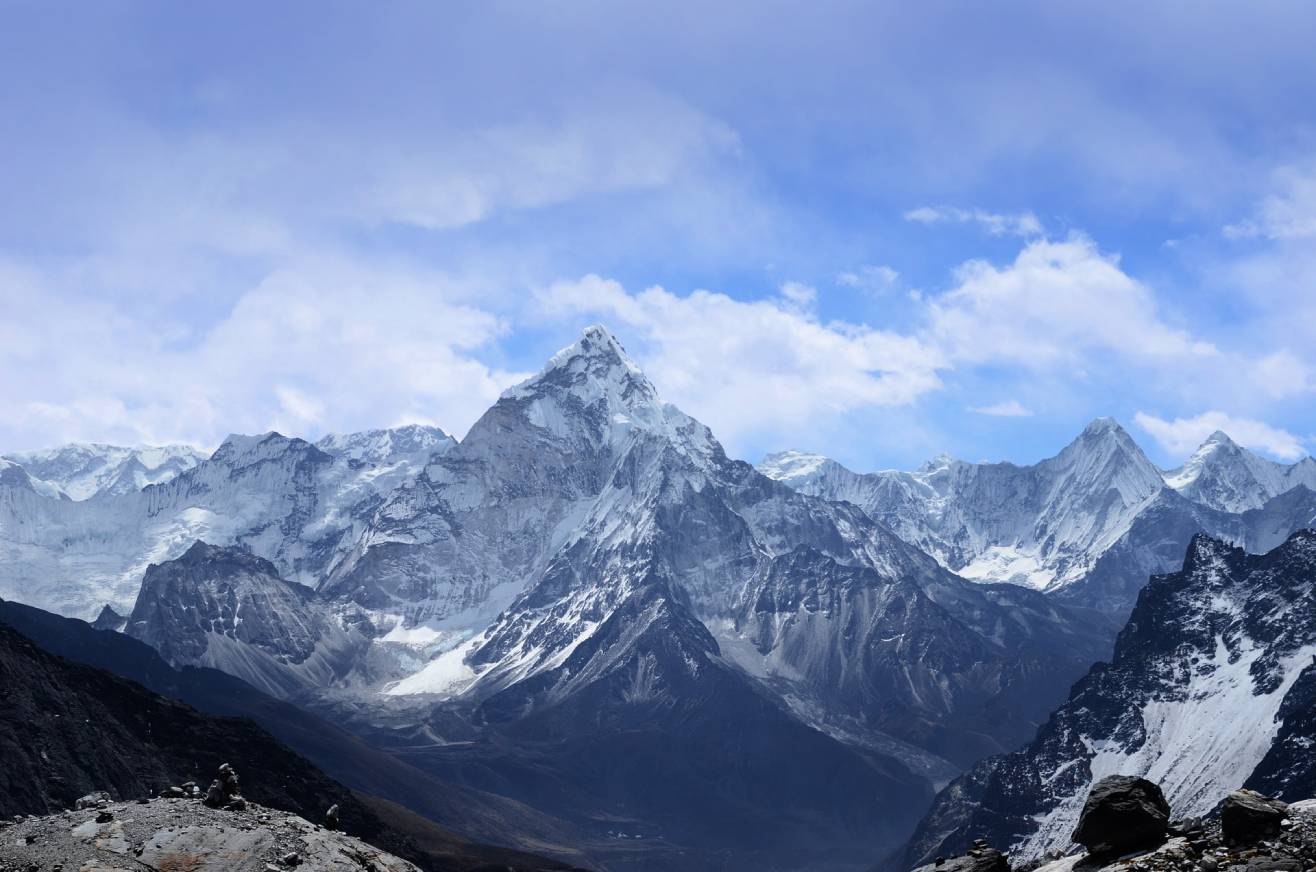
  • Witness stunning vistas of Annapurna II, III & IV, Gangapurna, Tilicho Peak, Chulu East & West, and Dhaulagiri.
  • Visit Buddhist monasteries, Mani walls, chortens, and prayer flags, reflecting the deep spiritual heritage of the region.
  • Visit one of the highest Tilicho lakes in the world, renowned for its breathtaking turquoise waters and surrounding peaks.
  • Trek through varied terrains, from lush green fields to rugged mountains and alpine meadows.
  • Opportunity to see unique Himalayan flora and fauna along the trail.
  • Two-night camping at Tilicho Lake and Dharmashala.
  • Trek with Cime Himalaya Trek & Expedition’s experienced guides and porters, ensuring a safe, well-organized, and memorable adventure.

Overview

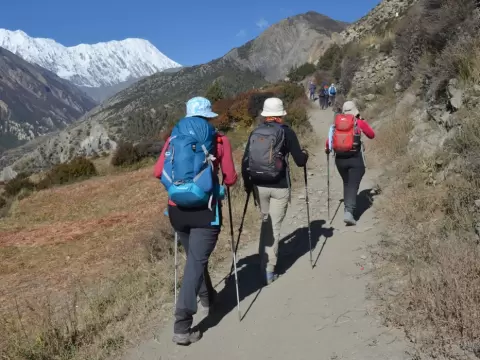
The Naar Phu Valley and Mesokanto La Pass Trek is the ideal alternative for those who are looking for a less-crowded trekking route that offers an immersive cultural experience and spectacular wilderness scenery. This carefully curated itinerary spans approximately 14 days, allowing trekkers to experience the stunning diversity of the Annapurna region, from rugged terrain and towering peaks to charming villages rich in Tibetan culture. Our expert guides will navigate you through this remote landscape, ensuring that you not only witness but truly appreciate the natural wonders and the cultural heritage that define this incredible area.

The trek begins in the bustling capital of Kathmandu, where you will prepare for the adventure ahead. As you venture into the pristine Naar Phu Valley, the journey unfolds through vibrant landscapes, unique rock formations, and remote villages. The highlight of the trek is undoubtedly the stunning Tilicho Lake, renowned as one of the highest lakes in the world. The challenging ascent to Kang La and Mesokanto La Pass offer unparalleled views of the Annapurna massif, providing a perfect blend of adventure and serenity. Each day is filled with opportunities for exploration, reflection, and connection to the majestic Himalayan environment.

Naar Phu Valley
Naar Phu Valley is a hidden treasure within the Annapurna Conservation Area, renowned for its breathtaking landscapes and rich cultural tapestry. This remote valley is home to traditional Tibetan communities, where ancient customs and vibrant traditions thrive. As you trek through charming villages like Naar and Phu, you will encounter stunning monasteries adorned with colorful prayer flags, welcoming locals, and the serene ambiance of a landscape largely untouched by modernity. The valley's unique character is marked by its dramatic cliffs, lush forests, and pristine rivers, making it a paradise for nature lovers and cultural enthusiasts alike.

The trek through Naar Phu Valley is characterized by its diversity, offering trekkers the chance to witness an array of ecosystems. From fertile valleys filled with wildflowers to rugged alpine terrain, the scenery changes dramatically, captivating the senses at every turn. Wildlife enthusiasts may even spot elusive species like the snow leopard or the Himalayan Thar. The spiritual significance of the valley is evident through its numerous cartoons and many walls, inviting trekkers to engage with the deep-rooted traditions of the region. Each step through Naar Phu Valley is a journey of discovery, connecting you to the very essence of the Himalayas.

Tilicho Lake
Tilicho Lake, often hailed as one of the highest lakes in the world at an elevation of 4,919 meters, is a breathtaking highlight of this trek. Nestled in the heart of the Annapurna massif, the lake is renowned for its stunning turquoise waters, which contrast vividly with the surrounding snow-capped peaks. The journey to Tilicho Lake is both challenging and rewarding, offering trekkers an opportunity to experience the harsh yet beautiful high-altitude environment. The landscape is dotted with glacial formations, rocky trails, and expansive views that will leave you in awe of nature’s grandeur.

Reaching the lake itself is a moment of triumph, providing a serene setting perfect for reflection and appreciation of the natural world. The area around Tilicho Lake is steeped in legends and spirituality, making it a place of significance for both trekkers and locals. The trek offers a unique chance to witness the interplay between nature and culture, as you encounter small teahouses where local families welcome you with traditional hospitality. Whether you're taking in the stunning vistas or enjoying the tranquility of the lake, Tilicho is an unforgettable experience that encapsulates the essence of the Himalayan adventure.

Mesokanto La Pass (5,340 m)
The Mesokanto La Pass, standing at an impressive altitude of approximately 5,340 meters, is one of the most exhilarating segments of the trek. This high mountain pass challenges trekkers with steep ascents and rugged terrain, but the breathtaking views at the summit are unparalleled. As you make your way to the top, you will be rewarded with sweeping panoramas of the Annapurna and Dhaulagiri ranges, creating a postcard-perfect backdrop that feels almost surreal. The ascent demands physical endurance and mental fortitude, but the sense of accomplishment upon reaching the pass is profoundly rewarding.

Descending from Mesokanto La Pass, the trail leads into enchanting landscapes, including serene alpine meadows and glacial streams. This segment of the trek allows for moments of reflection and connection with nature, as you navigate through stunning vistas that are reminiscent of a painting. Each step taken on this majestic trail serves as a reminder of the beauty and power of the Himalayas. The Mesokanto La Pass experience is not only a test of physical limits but also a journey that enriches your spirit and appreciation for the world around you.

Best Time for Naar Phu Valley and Mesokanto La Pass Trek.
The best time to undertake the Naar-Phu Valley and Mesokanto La Pass trek is during the spring (March to June) and autumn (September to December) seasons. These months offer the most favorable weather conditions, stable temperatures, and clear skies, making it an ideal time for trekking. In spring, the trail is adorned with blooming rhododendrons and vibrant alpine flowers, creating a picturesque landscape. The temperatures are mild, and the snow from winter begins to melt, making high-pass crossings such as Kang La Pass (5,320 m) and Mesokanto La Pass (5,340 m) more manageable.

During autumn, the skies are usually crystal clear, offering breathtaking panoramic views of the Annapurna, Dhaulagiri, and Manaslu ranges. The pleasant daytime temperatures and minimal rainfall make trekking conditions optimal. This season also coincides with major Nepalese festivals such as Dashain and Tihar, allowing trekkers to experience the rich cultural traditions of local communities along the trail.

While summer (July to August) brings heavy monsoon rains, making the lower trails slippery and prone to landslides, the Naar Phu Valley remains relatively dry due to its location in the rain shadow of the Annapurna range. However, the risk of landslides and leeches in the lower sections makes this season less favorable. Winter (January to February) is extremely cold, with heavy snowfall, especially at high altitudes, making the passes difficult to cross and many teahouses closed. For trekkers seeking solitude and a true Himalayan winter experience, this season can still be an option, but proper preparation for extreme conditions is necessary.

Difficulty Level of the Naar Phu Valley and Mesokanto La Pass Trek 
The Naar Phu Valley and Mesokanto La Pass Trek is considered a challenging trek, requiring good physical fitness, endurance, and previous trekking experience in high-altitude terrain. The trek involves long daily walking hours, ranging from 5 to 11 hours per day, often on steep ascents and descents. The rugged trails, rocky paths, and high-altitude terrain demand strong mental and physical preparation.

One of the major challenges is altitude acclimatization. The trek takes you above 5,000 meters, where the oxygen level is significantly lower, increasing the risk of Acute Mountain Sickness (AMS). Proper acclimatization days in places like Manang and Kyang are essential to allow the body to adjust to the high-altitude environment. Trekkers need to maintain a steady pace, stay hydrated, and be aware of any symptoms of altitude sickness.

The most demanding parts of the trek include the crossings of Kang La Pass (5,320 m) and Mesokanto La Pass (5,340 m), both of which require early morning ascents and can be physically exhausting due to steep climbs, cold temperatures, and strong winds. Weather conditions at these high passes can be unpredictable, and snowfall can make the trails more challenging. Additionally, the remoteness of the Naar Phu Valley means fewer teahouses and basic facilities, making it important for trekkers to be self-sufficient and mentally prepared for long days in isolation.

Why Choose Cime Himalaya Trek & Expedition?
Choosing Cime Himalaya Trek & Expedition means exploring on a journey crafted by experts who are passionate about the Himalayas and committed to providing an unforgettable trekking experience. Our team consists of experienced local guides and porters who possess in-depth knowledge of the terrain, culture, and ecology of the region. We prioritize safety, comfort, and sustainability, ensuring that our treks leave a positive impact on both the environment and local communities. With small group sizes, personalized attention, and tailored itineraries, we cater to the individual needs of our trekkers, fostering a sense of camaraderie and adventure.

Moreover, our commitment to quality extends to every aspect of your journey, from the carefully selected accommodations to the delicious meals prepared using local ingredients. We believe in creating meaningful experiences that go beyond trekking, allowing you to engage with the culture, traditions, and breathtaking landscapes of the Himalayas. Whether you are a seasoned trekker or exploring on your first adventure, Cime Himalaya Trek & Expedition promises a journey filled with wonder, discovery, and lifelong memories. Join us to explore the majestic Naar Phu Valley and Mesokanto La Pass, and create stories that will last a lifetime.

Trip Itinerary

Trip itineraries are customizable according to your timetable and budget. Simply, Contact Us.

Your adventure begins with an early morning drive from Kathmandu, heading west towards Besisahar, the gateway to the Annapurna region. The journey takes you through lush green hills, terraced farmlands, and winding roads along the Trishuli and Marshyangdi rivers. Upon reaching Besisahar, the landscape starts to change, offering stunning views of the snow-capped peaks. From here, we switch to a jeep for an off-road drive to Dharapani, passing through rugged mountain roads and dense forests. Dharapani is a small village situated along the famous Annapurna Circuit trail, offering a glimpse of Tibetan-influenced culture. Overnight stay at a teahouse in Dharapani.

After breakfast, we start our trek along the banks of the Marsyangdi River, following a scenic trail through pine and rhododendron forests. As we ascend gradually, we pass through charming villages inhabited by Gurung and Tibetan communities. Along the way, you’ll enjoy breathtaking views of Annapurna II, Lamjung Himal, and Manaslu. The trail includes some suspension bridges, cascading waterfalls, and narrow paths carved into cliffs. We reach Koto, a small settlement known for its warm hospitality and beautiful mountain surroundings. Overnight in Koto.

Today’s trek takes us through a remote and rugged section of the Annapurna region. We leave the Annapurna Circuit route and enter the restricted Nar Phu Valley, passing through a narrow gorge. The trail follows the Soti Khola River, leading us through dense forests of pine and bamboo. As we ascend, the vegetation starts thinning, and the landscapes become more barren. We cross several suspension bridges and reach Meta, a small Tibetan-style village perched on a hillside with spectacular views of Pisang Peak and Kang Guru. Overnight in Meta.

Today’s trek is relatively shorter but takes us through stunning landscapes of high cliffs, ancient Tibetan settlements, and open pastures. We traverse a rugged terrain filled with unique rock formations and cross several streams before reaching Kyang. This isolated village, with its traditional stone houses and yak pastures, offers a fascinating cultural experience. The views of Himlung Himal and other surrounding peaks add to the beauty of this region. Overnight in Kyang.

We undertake on an exciting day hike to the hidden valley of Phu, an ancient Tibetan village nestled in a dramatic mountain setting. The trail ascends gradually, revealing stunning views of glaciers, barren cliffs, and prayer flags fluttering in the wind. Phu is home to the Tashi Lhakhang Monastery and a small settlement of Tibetan refugees. We explore the village, interact with the locals, and soak in the spiritual atmosphere before retracing our steps to Kyang. Overnight in Kyang.

We continue our journey through rocky trails and high-altitude terrain, passing through remote landscapes with breathtaking views. The trail to Naar is less traveled, offering a sense of solitude and adventure. As we approach the village, we see traditional stone houses and chortens that reflect the Tibetan culture. Naar is a vibrant village with a rich heritage, and we get a chance to experience the lifestyle of the locals. Overnight in Naar.

This is one of the most challenging days of the trek as we cross the Kang La Pass (5,320m). The ascent is steep and demanding, but the panoramic views of Annapurna II, Gangapurna, and Tilicho Peak make it worth the effort. The descent is equally steep, leading us to the village of Ngawal. This picturesque village offers breathtaking mountain views and comfortable teahouses to rest after a long day of trekking. Overnight in Ngawal.

Today’s trek is relatively easy as we descend gradually towards Manang, a popular stop on the Annapurna Circuit. The trail takes us through alpine landscapes with stunning views of the Annapurna range. Upon reaching Manang, we explore the village, visit monasteries, and enjoy the beautiful surroundings. Manang is also a great place for acclimatization. Overnight in Manang.

Leaving Manang, the trail diverges from the classic Annapurna Circuit route, heading towards Tilicho Base Camp. The path initially ascends gradually through the dry, rugged landscape before becoming steeper and more exposed. You’ll pass through Shree Kharka, a small settlement with fantastic mountain views. The final descent to Tilicho Base Camp is steep and rocky, requiring careful footing. The day’s trek is challenging but rewarding, as you arrive at the base of Tilicho Peak, surrounded by towering snow-capped mountains.

Prepare for a memorable day as you trek to Tilicho Lake, one of the highest lakes in the world. The turquoise waters surrounded by rugged peaks create a breathtaking panorama. Overnight in tent close to the lake. 

Today involves a challenging ascent to Mesokanto La Pass, where you’ll be rewarded with incredible views of the surrounding mountains. After enjoying the scenery, descend towards Dharamshala, a scenic spot where you can rest and rejuvenate after a demanding day of trekking. Overnight in tent at Dharmashala. 

The trail descends as you make your way to Jomsom, passing through quaint villages and lush landscapes. Jomsom, situated in the Kali Gandaki Valley, is known for its stunning views of the Dhaulagiri and Annapurna ranges. Overnight in Jomsom. 

Today, we begin our journey back to Pokhara. We drive through the Kali Gandaki Valley, passing through Jomsom, Marpha, and Tatopani. The drive is scenic, with views of deep gorges, waterfalls, and charming villages. Upon arrival in Pokhara, we relax at the lakeside and enjoy a well-earned rest. Overnight in Pokhara.

We conclude our adventure with a scenic drive or a short flight back to Kathmandu. Upon arrival, you have the rest of the day to explore the city, do some souvenir shopping, or relax at your hotel. In the evening, we celebrate our successful trek with a farewell dinner.

Not satisfied with this itinerary? Make your own.
Plan Your Trip

Cost Includes

  • Permit: All the necessary trekking permits.
  • Accommodation: 1 night hotel in Pokhara, 10 nights in lodge and 2 nights in tent during the trek.
  • Road transportation: Drop-off from Kathmandu to Dharapani and pick-up Jomsom to Pokhara by local vehicle and Pokhara to Kathmandu by tourist bus. If you prefer to travel by private vehicle or flight for more comfort, we provide it at an additional cost. 
  • Meal: On full-board meals (breakfast, lunch, and dinner) with a cup of tea or coffee each meal during the trek, as well as seasonal fresh fruit dessert every evening after dinner.
  • Filed staff: An experienced government-licensed, English-speaking trekking guide and necessary porter normally 1 porter for 2 trekkers who carry max 25 kg, as well as their meals, transportation, insurance, accommodations, and equipment. If there are more than 4 people in a group, there will be a guide assistant.
  • Equipment: Each of you is given a waterproof duffle bag by our agency to use during your trek. Leave the materials you don't need for trekking in your travel bag at your hotel in Kathmandu. All the necessary camping equipment for Tilicho Lake and Dharmashala.
  • All government, local taxes, and official expenses
  • Water purification tablets to purify your water during the trek for safe drinking water.
  • An oximeter to measure your oxygen and pulse level during the trek in the mountain is very useful for all trekkers to be aware of high altitude sickness.
  • We assist in arranging emergency rescue operations in the event of complex health conditions, and your travel insurance will cover the cost.

Cost Excludes

  • Fares for international flights
  • Nepal entry visa fee on arrival at Tribhuvan International Airport: US$ 50 for 30 days.
  • All meals and accommodation in Kathmandu and meals in Pokhara except breakfast. 
  • Personal expenses: shopping, snacks, boiled water, extra tea/coffee, cold drinks, hot shower, alcohol, Wi-Fi, telephone call, battery re-charge fee, extra porters, etc.
  • Your personal trekking/hiking gear 
  • Travel insurance that is mandatory for emergency high-altitude rescue and evacuation
  • Tips for guides and porters that are highly recommended
  • Additional costs may occur due to causes beyond our control, such as landslides, weather conditions, itinerary modifications due to safety concerns, illness, changes in government policies, strikes, etc.
  • All other services, costs, and expenses not listed in the list of costs included.
  • If you depart earlier than the itinerary program, your payment will not be refunded, and early arrival or late departure expenses will not be covered by your trip cost.

Trip Info

Food & Accommodations
During the Naar Phu Valley and Mesokanto La Pass trek, trekkers will stay 10 nights in tea houses or lodges, which are the primary form of accommodation in the region. The quality of teahouses varies depending on the altitude and remoteness of the area. In lower regions like Dharapani, Koto, and Manang, the tea houses offer basic yet comfortable rooms with twin beds, blankets, and sometimes attached bathrooms. As you enter the more isolated Naar and Phu villages, accommodations become more basic, with simple wooden beds, shared toilets, and limited facilities due to the remoteness of the region. At Tilicho Lake and Dharmashala, two nights are required to stay in tents, where there are no lodges available. Cime Himalaya Trek & Expedition provides all the necessary camping equipment.

The food available along the trekking route is designed to provide the energy required for long trekking days. A common meal option is Dal Bhat, a traditional Nepali dish consisting of rice, lentil soup, vegetable curry, and pickles, which is nutritious and comes with unlimited refills in most teahouses. Other meal choices include noodles, Tibetan bread, fried rice, soups, momos (dumplings), and pasta. In lower-altitude villages, trekkers may find more variety, including eggs, chapati, pancakes, and even pizza, but at higher elevations, food options become more limited due to transportation challenges.

It is important to note that meat is not recommended at higher altitudes because it is transported without refrigeration. Trekkers with dietary preferences or restrictions should inform teahouse owners in advance. Most tea houses also offer hot drinks like ginger tea, masala tea, black tea, coffee, and hot lemon, which help keep trekkers warm in cold weather. Although the food is simple, it provides the necessary nutrition for a successful trek.

Drinking Water
Staying hydrated is crucial while trekking at high altitudes, and trekkers are advised to drink at least 3-4 liters of water per day to prevent altitude sickness. Along the Annapurna Circuit and Naar Phu Valley route, drinking water is available at teahouses, natural streams, and local water stations, but it is not always safe to drink directly. Trekkers must ensure the water is purified before consumption.

Bottled water is available in most teahouses, but it becomes expensive at higher elevations due to transportation costs. Additionally, plastic waste is a growing environmental concern in the Himalayas, so trekkers are encouraged to use reusable water bottles and purification methods. The best options include water purification tablets, UV filters, or portable filtration systems. Many tea houses provide boiled water for a small fee, which is a safer and more sustainable option.

Some villages have safe drinking water stations, where trekkers can refill bottles for a small charge. It is highly recommended to carry two refillable water bottles or a hydration bladder to ensure an adequate water supply throughout the trek. Staying hydrated will help with acclimatization and overall performance during the trek.

Charging Facilities
Electricity is available in most teahouses along the Annapurna Circuit and Naar Phu Valley routes, but access to charging facilities becomes limited and expensive at higher altitudes. In lower villages like Dharapani, Koto, and Manang, teahouses often provide free charging in the dining area, but as you trek to remote areas like Naar and Phu, electricity is generated by solar power or small hydropower stations, making it unreliable and costly.

As a result, teahouses charge a fee for charging electronic devices such as phones, cameras, and power banks. The cost typically ranges from NPR 200 to 500 (USD 2 to 5) per device, depending on the altitude and power availability. To avoid frequent charging costs, trekkers are advised to carry power banks and solar chargers, which can provide extra battery life during the trek.

In high-altitude and isolated areas, power outages are common, especially during bad weather or winter seasons. If you rely on electronic devices for navigation or photography, it is best to charge them whenever possible and conserve battery life by using airplane mode and reducing screen brightness. Having multiple fully charged power banks will ensure your devices last throughout the trek.

Network & Communications
Mobile network coverage on the Annapurna Circuit Trek with Naar Phu Valley is available in some parts of the trek, but signal strength varies depending on altitude and location. In lower regions like Besisahar, Dharapani, and Manang, both NCELL and NTC (Nepal Telecom) networks provide decent mobile coverage and 4G internet access. However, as you enter the Naar Phu Valley, network connectivity becomes very weak or completely unavailable due to the remoteness of the area.

For trekkers who need consistent internet access, many tea houses along the Annapurna Circuit offer Wi-Fi services for a small fee. The cost of Wi-Fi increases as you ascend, ranging from NPR 200 to 500 (USD 2 to 5) per hour. In high-altitude areas like Thorong Phedi, Naar, Phu, and Muktinath, Wi-Fi may be slow or unavailable.

For emergency communication, trekkers can carry a satellite phone or use a local SIM card with the best network coverage available. Guides from Cime Himalaya Trek & Expedition carry emergency communication devices to ensure safety in remote areas. It is advisable to inform family and friends about limited connectivity before starting the trek so they do not worry about periods of no contact.

Weather
The weather on the Annapurna Circuit and Naar Phu Valley Trek varies greatly depending on the season and altitude. The best time to trek is during spring (March to May) and autumn (September to November), when the weather is stable, with clear skies and moderate temperatures. During these months, daytime temperatures at lower elevations range from 10°C to 20°C (50°F to 68°F), while higher-altitude areas like Thorong La Pass and Kang La Pass can drop to -10°C to -20°C (14°F to -4°F) at night.

In summer (June to August), the lower Annapurna region experiences heavy monsoon rains, making the trails muddy and slippery, increasing the risk of landslides. However, the Naar Phu Valley remains relatively dry due to its location in the rain shadow of the Annapurna range. Trekkers choosing to hike during monsoon should be prepared for leeches, humidity, and occasional roadblocks caused by landslides in the lower regions.

Winter (December to February) brings extreme cold and heavy snowfall, especially at high passes like Thorong La and Kang La. Temperatures in these areas can drop below -20°C (-4°F), making the trek more difficult and risky. Many teahouses in high-altitude regions close due to harsh conditions, and crossing the passes can be dangerous due to icy trails and avalanche risks. Trekkers attempting the trek in winter must be well-prepared with proper gear, warm clothing, and previous experience in high-altitude trekking.

Regardless of the season, weather in the mountains can change rapidly, so it is essential to carry layered clothing, rain gear, and cold-weather protection. Checking the latest weather forecasts and consulting with experienced guides before attempting high-altitude sections is crucial for a safe and enjoyable trek.
Why Book with Us
  • Excellent customer service. Our travel experts are ready to help you 24/7.
  • Best price guaranteed
  • No credit card or booking fees.
  • 100% financial protection.
  • Environmentally-friendly tours.

Equipment List

We advise that carrying the appropriate and proper equipment is better than carrying an excessive quantity of equipment. So, one should only carry appropriate and only absolutely necessary equipment with self; 

HEAD
  • Bandana or headscarf, also useful for dusty conditions
  • Warm hat that covers your ears (wool or synthetic)
  • Headlight with extra batteries and bulbs
  • Sunglasses with UV protection
UPPER BODY 
  • Polypropylene shirts (2 half sleeve and 2 long sleeves)
  • Light and expedition weight thermal tops
  • Fleece wind-stopper jacket or pullover
  • 1 ultra-light down jacket 
  • 1 warm down vest and/or jacket
  • Gore-Tex jacket with hood, waterproof and breathable
HANDS
  • 1 pair of lightweight poly liner gloves.
  • 1 pair of lightweight wool or fleece gloves
  • 1 pair of mittens, consists of 1 Gore-Tex over mitt matched with a very warm polar-fleece mitt liner (seasonal)
LOWER BODY 
  • Non-cotton underwear briefs
  • 1 Hiking shorts
  • 1 pair of hiking pants
  • 1 pair of lightweight thermal bottoms (seasonal)
  • 1 pair of fleece or woolen trousers
  • 1 waterproof, windproof pants (Gore-Tex or similar)
FEET
  • 2 pairs of thin, lightweight inner socks
  • 2 pairs of heavy poly socks
  • 1 pair of Hiking boots with spare laces (sturdy soles, water-resistant, ankle support, “broken-in”)
  • 1 pair of running shoes and sandals
  • Cotton socks (optional)
SLEEPING BAG
  • 1 sleeping bag (good to -15⁰C) it’s rentable in Kathmandu. 
LUGGAGE & DAYPACK 
  • Your travel luggage with your all materials
  • A backpack (35 to 40 liters) for carrying yourself during the trek with necessary items.
  • 1 waterproof backpack covers (optional)
  • A large duffle bag (it will be provided by Cime Himalaya Trek & Expedition)
FIRST AID KIT
  • Small, personal first-aid kit. (simple and light)
  • Aspirin, first-aid tape, and plasters (Band-Aids)
  • 1 skin-blister repair kit
  • Anti-diarrhea pills
  • Anti-headache pills
  • A cough and/or cold medicine
  • Anti-altitude sickness pills: Diamox or Acetazolamide
  • Stomach antibiotic: Ciprofloxacin, etc. Do not bring sleeping pills as they are a respiratory depressant.
  • Water purification tablets or the water filter
  • 1 set of earplugs
  • Extra pair of prescription glasses, contact lens supplies
PRACTICAL ITEMS
  • 1 small roll of repair tape, 1 sewing-repair kit
  • 1 cigarette lighter, 1 small box of matches if you smoke.
  • 1 compass or GPS (optional)
  • 1 alarm clock/watch
  • 1 digital camera with extra cards and batteries
  • 2 large Ziplocs plastic bags
  • 1 water bottle of 1L or 1.5 liters 
  • 1 thermos – 500ml or 1L 
  • 1 small pocket knife
  • Binoculars (optional) if you need
  • 1 pair of adjustable trekking poles
TOILETRIES
  • 1 medium-sized quick-drying towel
  • Toothbrush/paste (preferably biodegradable)
  • Multipurpose soap (preferably biodegradable)
  • Deodorants
  • Nail clippers
  • Face and body moisturizer
  • Female hygiene products
  • Small mirror
PERSONAL HYGIENE
  • Wet wipes (baby wipes)
  • Tissue /toilet roll can buy in trek 
  • Anti-bacterial handwash
EXTRAS 
  • Reading book
  • Trail map/guidebook
  • Plug adapter (2 round pegs to 2 flat pegs)

Frequently Asked Questions

The Naar Phu Valley Trek is a stunning journey through one of Nepal’s lesser-known regions, nestled in the Annapurna Conservation Area. It offers trekkers a unique opportunity to experience the untouched beauty of traditional Tibetan culture and breathtaking landscapes. The trek takes you through charming villages, ancient monasteries, and rugged terrain, culminating in views of the majestic Annapurna range.

The Naar Phu Valley and Mesokanto La Pass Trek, is considered moderate to difficult. Trekkers should be prepared for high-altitude hiking, steep ascents, and variable weather conditions. Proper acclimatization is essential, and prior trekking experience is recommended to fully enjoy this adventure. The trek reaches elevations of over 5,300 meters, so physical fitness and mental preparedness are key.

Tilicho Lake, situated at an altitude of 4,919 meters, is renowned for being one of the highest lakes in the world. Its striking blue waters are framed by snow-capped peaks, making it a breathtaking destination. The lake is not only a natural wonder but also holds spiritual significance for local communities. Many trekkers visit to witness its beauty and partake in the unique experience it offers.

Mesokando La Pass is a high mountain pass that provides trekkers with an exhilarating route through the Himalayas. Standing at approximately 5,500 meters, it offers panoramic views of surrounding peaks and valleys. Crossing the pass is a highlight of the trek, presenting both a physical challenge and a rewarding experience as you navigate through rugged landscapes and pristine snowfields.

To trek in the Nar-Phu Valley, you will need two main permits: the Annapurna Conservation Area Permit (ACAP) and the Nar-Phu Special Permit. The latter is specific to the Nar-Phu region and requires prior arrangements through a registered trekking agency. It’s advisable to secure your permits before starting the trek to avoid any complications.

The best times for trekking in Nar-Phu Valley, Tilicho Lake, and Mesokando La Pass are during the spring (March to May) and autumn (September to November) seasons. These months offer stable weather, clear skies, and moderate temperatures, making it ideal for trekking. Monsoon season (June to August) brings heavy rains, while winter (December to February) can result in harsh conditions with snow, making trekking challenging.

Trekking in the Nar-Phu Valley region typically involves a mix of teahouses and guesthouses. While basic, these accommodations provide essential comforts such as meals and warm beds. In more remote areas, options may be limited, so it's important to be flexible. Camping may be necessary for certain sections, particularly near Tilicho Lake and Mesokando La Pass.

Packing for this trek requires careful consideration of the weather and terrain. Essential items include sturdy trekking boots, warm clothing, a waterproof jacket, sleeping gear, a first aid kit, and adequate food supplies. A good-quality backpack, trekking poles, and a hydration system are also highly recommended. Layering is crucial due to the fluctuating temperatures, especially at higher altitudes.

While it is possible to trek independently in some regions of Nepal, hiring a guide for the Nar-Phu Valley Trek is highly recommended, especially for first-time trekkers. A knowledgeable guide can enhance your experience by providing valuable insights into the culture and environment, ensuring your safety and helping navigate the more challenging sections of the trek.

The trek typically begins in Jagat, which is accessible via a jeep or bus ride from Kathmandu, the nearest major town (Jagat). From Jagat, the route leads into the Nar-Phu Valley, with stunning landscapes and local culture unfolding along the way. Pre-arranging transport or coordinating with a trekking agency can simplify your travel plans.

Read more FAQs

Similar Trips

Most Popular
Trekking
Annapurna Circuit Trek with Tilicho Lake - 12 days
Difficulty
Strenuous
Max. altitude: 
5,416 m
Price on request
Explore
Trekking
Annapurna Circuit Trek with Naar Phu Valley - 13 days
Difficulty
Strenuous
Max. altitude: 
5,416 m
Price on request
Explore
Trekking
Annapurna Circuit, Poon Hill and ABC Trek - 18 days
Difficulty
Strenuous
Max. altitude: 
5,416 m
Price on request
Explore

Join Our Newsletter

Sign up to stay updated with latest offers, recent events and more news.