Cime Himalaya

Mt. Everest Expedition

  • Best price guaranteed
  • No booking fees
  • Book Now, Pay Later
From US$ 38,000
Price varies by group size
  • Best price guaranteed
  • No booking fees
  • Book Now, Pay Later
Share
Print
Duration
63 days
Activity
Expedition
Max. altitude
8,848 m / 29,028 ft
Highest overnight
8,848 m / 29,028 ft
Group size
Min 1+
Difficulty
Very Strenuous
Trip starts/ends
Kathmandu / Kathmandu
Trekking starts/ends
Lukla / Lukla
Best season
Mar - May, Sep - Nov
Accommodation
3*** Hotel in Kathmandu and Camp/Lodge during the trek
Meals
Breakfast in Kathmandu and all meals during the trek
Transportation
All ground transportation and domestic flight as per itinerary

Highlights

  • Base Camp Arrival – Trek to Everest Base Camp (5,364m), where climbers prepare for the ascent.
  • Khumbu Icefall – Navigate this dangerous, shifting glacier en route to higher camps.
  • Camp I (6,065m) – Set up at the first high-altitude camp, often the start of technical climbing.
  • Camp II (6,400m) – Acclimatize and rest at this crucial camp before pushing higher.
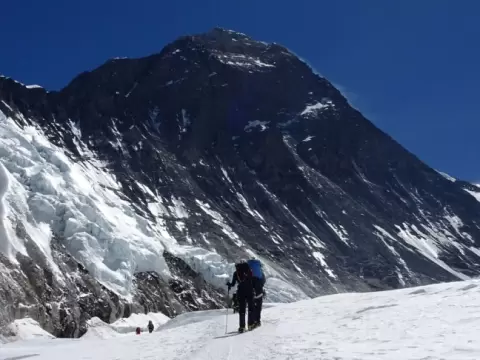
  • Camp III (7,470m) – Located on the Lhotse Face, this is one of the most demanding sections.
  • South Col (7,900m) – The final staging point for the summit attempt.
  • Summit Push (8,848m) – Reaching the top of the world, with breathtaking views of the Himalayas.
  • Descent – Safely returning to base camp after the summit is often just as challenging as the ascent.
  • Celebration at Base Camp – Reflect on the journey and achievements.

Overview

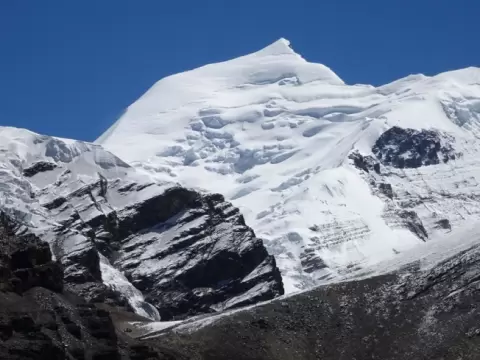
Mount Everest, standing tall at 8,848.86 meters (29,031.7 feet), is the highest mountain in the world. Located in the Himalayan range on the border between Nepal and the Tibet Autonomous Region of China, Everest has long been a symbol of human ambition and adventure. Its formidable height, extreme weather conditions, and treacherous terrain make it a coveted destination for mountaineers worldwide. Everest is not just a mountain; it's a living symbol of endurance and the pursuit of overcoming the most challenging obstacles on Earth.

The mountain is named after Sir George Everest, a British Surveyor General of India, although it was known by various local names for centuries. In Nepali, it is called "Sagarmatha" (meaning "forehead in the sky"), and in Tibetan, it's known as "Chomolungma" (meaning "Mother Goddess of the World"). Climbing Everest requires immense preparation, skill, and physical endurance, with many climbers attempting to reach the summit each year, despite the dangers posed by altitude sickness, harsh weather, and technical challenges.

Everest Expedition and Climb Overview:
The Everest Expedition is a once-in-a-lifetime journey that involves a series of technical, physical, and mental challenges. It begins with a trek to the Everest Base Camp (EBC), a five-to-seven-day hike that provides trekkers with an opportunity to acclimatize to the high altitude. From Base Camp, climbers begin their ascent, navigating through various camps that serve as staging points for their summit bid. The typical route follows the South Col route from Nepal, which includes camps at places like Camp I, Camp II, Camp III, and Camp IV, each progressively higher up the mountain, offering climbers the chance to acclimatize as they make their way up.

The ascent to the summit is a mixture of technical climbing and enduring harsh environmental conditions. Climbers must contend with high-altitude winds, freezing temperatures, and the risk of avalanches and icefalls. The final push to the summit is often completed during a brief weather window in late spring, when conditions are at their best. The Everest Expedition is not for the faint of heart; it demands expertise in mountaineering, perseverance, and a high level of physical and mental fortitude.

Camp I (6,065m):
Camp I is the first major high-altitude camp that climbers encounter on their journey to the summit of Mount Everest. Located at 6,065 meters (19,898 feet), it is set up in a position that allows climbers to transition from the relative comfort of Everest Base Camp to the challenging, higher-altitude zones. The approach to Camp I requires navigating through the treacherous Khumbu Icefall, one of the most dangerous sections of the climb, where climbers must deal with constantly shifting ice blocks and crevasses. This section demands not only technical climbing skills but also physical endurance.

At Camp I, climbers begin to acclimatize to the higher altitudes, which is crucial for avoiding altitude sickness in the coming days. The camp itself is typically set up in a relatively sheltered area, but conditions can be harsh, with cold temperatures, high winds, and thin air. For many, Camp I serves as the beginning of the more intense and technical sections of the climb. Once established at Camp I, climbers rest and prepare for the next stages of their ascent, while continuing the process of acclimatization to the extreme altitude.

Camp II (6,400m):
Located at 6,400 meters (20,997 feet), Camp II is one of the most important acclimatization points on the Everest climb. Often considered the staging area for the real technical ascent, this camp provides climbers with a chance to rest, recover, and prepare for the even more demanding sections higher up. From Camp I, climbers must navigate the perilous icefall, and as they approach Camp II, they begin to encounter more stable terrain, though the altitude remains a constant challenge.

Camp II is crucial for acclimatization, and climbers typically spend several days here, gradually adjusting to the thinner air before making their push towards Camp III. While the camp is situated at a high altitude, it is relatively more sheltered compared to the higher camps. The terrain around Camp II offers stunning views of the surrounding peaks, including Lhotse and Makalu, providing climbers with a brief respite before the next demanding leg of the expedition. Proper rest at this camp is vital for success in the higher camps.

Camp III (7,470m):
Camp III, located at 7,470 meters (24,503 feet), sits on the Lhotse Face, a nearly vertical wall of ice and rock that climbers must ascend to reach this high-altitude camp. The Lhotse Face is one of the most technically demanding sections of the Everest climb, requiring climbers to use fixed ropes and advanced climbing techniques to navigate through steep, icy terrain. The physical and mental challenges here are intense, as the body struggles with the diminished oxygen levels and the fatigue from the rigorous ascent.

At Camp III, climbers experience some of the most severe weather conditions on the mountain, with high winds and freezing temperatures common. As one of the highest camps, it is also where climbers face the risk of altitude sickness more acutely. Once at Camp III, climbers typically rest and acclimatize, preparing for the final push to the South Col. Though physically challenging, this section offers an incredible sense of accomplishment for those who make it through the Lhotse Face and reach the relative safety of Camp III, which acts as the springboard for the ultimate ascent to the summit.

South Col (7,900m):
The South Col, located at 7,900 meters (25,919 feet), serves as the final staging point before the summit push. From here, climbers prepare for the last leg of the journey to the top of the world. The camp is located on a saddle between Everest and Lhotse, offering breathtaking views of the surrounding peaks. Despite its relative shelter compared to higher camps, the South Col remains a harsh environment, with strong winds, freezing temperatures, and the constant challenge of low oxygen levels.

Climbers spend only a brief time at the South Col before making their summit attempt, using this as a crucial resting point to build strength and acclimatize to the extreme altitude. At this stage, climbers are often exhausted from the prior climbs, and the mental strain begins to mount. The final push from here involves navigating the famous Hillary Step, a challenging rock face, before reaching the summit. Climbers at this stage are encouraged to stay focused and conserve energy for the final, often grueling, ascent to the top.

Summit Push (8,848m):
The summit push is the ultimate goal of the Everest Expedition, taking climbers from the South Col to the top of the world at 8,848 meters (29,031 feet). The climb is physically and mentally demanding, as climbers battle extreme fatigue, the harsh environment, and the debilitating effects of low oxygen. The final ascent typically begins in the early morning hours to take advantage of the cold temperatures, which can freeze equipment and make climbing safer. Climbers must overcome obstacles such as the Hillary Step, a nearly vertical rock face, and several high-altitude ridges before finally reaching the summit.

Standing on the summit of Everest is a moment of indescribable achievement, with sweeping views of the Himalayas stretching out in every direction. However, the summit itself is only a brief respite, as climbers must descend quickly to avoid the risks of prolonged exposure to the extreme conditions. Despite the breathtaking beauty and immense sense of accomplishment, the summit push is an incredibly taxing part of the expedition, requiring every ounce of strength and determination to succeed. Reaching the top of Mount Everest represents the culmination of years of training, preparation, and a deep commitment to the mountain.

Everest Expedition Permits:
To climb Mount Everest, climbers must obtain several permits from the Nepali government. The most crucial permit is the "Everest Climbing Permit," which is required to ascend the mountain from the south side in Nepal. In addition to the climbing permit, trekkers must also acquire a TIMS (Trekkers' Information Management System) card and a Sagarmatha National Park entry permit for access to the Everest region. These permits ensure that climbers follow the designated routes and respect local conservation efforts.

The cost of these permits can vary based on the season and whether you are climbing as part of an expedition group or independently. As part of an organized expedition, such as with Cime Himalaya Trek & Expedition, these permits are typically arranged by the company, so climbers don’t have to deal with the bureaucracy themselves. The team also helps ensure that all paperwork is filed correctly and on time, providing climbers with a smoother and stress-free experience.

Best Time for Everest Expedition:
The best time to undertake an Everest Expedition is during two main windows: pre-monsoon (spring) and post-monsoon (autumn). The spring season, from late April to early June, is the most popular and ideal period for attempting the summit. This is when most climbers head to Everest, taking advantage of stable weather conditions and favorable temperatures. The autumn season, from late September to early October, offers a second window, though fewer climbers venture to the summit during this time.

Spring is considered the prime time because of the more predictable weather patterns, which offer a higher chance of success. However, it is also the most crowded time on the mountain, meaning the summit push can involve waiting in long lines at the higher camps. For climbers who are looking to avoid the crowd and are willing to brave colder conditions and a higher risk of unpredictable weather, the autumn window can provide a quieter, though more challenging, experience.

Everest Expedition Difficulty:
Climbing Mount Everest is undeniably one of the most difficult and dangerous challenges in the world. The difficulty lies not only in the physical demands of climbing at extreme altitudes but also in the mental strength needed to cope with isolation, extreme cold, and the constant risk of accidents. The primary challenge is the altitude: the higher you go, the less oxygen there is, which can lead to altitude sickness, pulmonary edema, or cerebral edema. Climbers must acclimatize carefully to avoid these potentially fatal conditions.

The technical difficulty of the climb also presents significant challenges. While there are no rock walls or sheer cliffs to scale, climbers must navigate through treacherous icefalls, crevasses, and rock sections. The summit push itself is a race against time, as weather windows are narrow and climbers have limited supplies of oxygen. The lack of oxygen at higher altitudes means that climbers are physically exhausted even when performing basic tasks. As a result, the Everest Expedition is a test of endurance, technical skill, and perseverance.

Major Highlights for Everest Expedition:
The Everest Expedition offers climbers several unforgettable experiences. One of the major highlights is trekking to Everest Base Camp, where climbers are surrounded by stunning views of towering peaks like Lhotse, Makalu, and Nuptse. The journey itself takes climbers through Sherpa villages, Buddhist monasteries, and breathtaking landscapes, allowing them to immerse themselves in the unique culture of the Everest region.

Once at Base Camp, climbers experience the palpable excitement of being at the starting point of one of the most iconic mountaineering routes in the world. Other major highlights include traversing the Khumbu Icefall, one of the most dangerous sections of the climb, and spending nights in high-altitude camps with awe-inspiring views of the surrounding mountains. Reaching the summit of Everest itself is, of course, the ultimate highlight, offering a sense of accomplishment and a moment to witness the vastness of the world from the highest point on Earth.

Meals and Accommodation for Everest Expedition and Climb:
During the Everest Expedition, climbers will stay in various types of accommodation, starting with teahouses and lodges during the trek to Everest Base Camp. These establishments provide basic, yet comfortable, facilities and serve hearty meals to help trekkers fuel up for their long days of hiking. Once at Everest Base Camp, climbers transition to more basic conditions, sleeping in tents and eating meals prepared by expedition chefs.

The food on the mountain ranges from simple meals like rice, dal, and soup to higher-calorie options designed to provide energy for the physically demanding climb. At higher camps, meals are often freeze-dried or pre-packaged, while the expedition team provides hot drinks and snacks to keep climbers energized. Accommodations at the higher camps are more rudimentary, with tents offering minimal comfort, as the focus is on safety and survival.

Networking and Communication for Everest Expedition and Climb:
Communication during an Everest Expedition is crucial, as it ensures the safety of climbers and allows for coordination with support teams. At Everest Base Camp and higher camps, satellite phones and radios are commonly used for communication. These devices allow climbers to stay in touch with their expedition leaders, family, and emergency services if needed. The use of these communication tools is vital for relaying important weather updates, medical concerns, and any unexpected issues that may arise during the climb.

Wi-Fi and mobile network coverage are generally limited in the Everest region, but satellite communication systems are available to ensure that climbers can stay connected when necessary. This network is also essential for coordination with the expedition's support team, including guides, sherpas, and logistics personnel, ensuring a seamless operation throughout the journey.

Emergency Contact:
Cime Himalaya Trek & Expedition ensures that climbers have access to a reliable emergency contact system during the Everest Expedition. The company maintains strong links with local hospitals, rescue teams, and guides trained in emergency procedures. In case of a medical emergency, climbers can access a network of trained professionals, as well as helicopter evacuation services if necessary.

Additionally, the company provides comprehensive safety briefings and ensures that all climbers are fully equipped with the necessary tools, such as oxygen tanks and first-aid kits. In the case of serious emergencies, Cime Himalaya Trek & Expedition has established protocols to swiftly respond and manage crisis situations, ensuring the safety and well-being of all participants.

Why Climb Everest with Us?
Climbing Mount Everest is an extraordinary feat, and choosing the right expedition company is crucial to your success. At Cime Himalaya Trek & Expedition, we offer expert guidance, well-established safety protocols, and a deep understanding of the challenges of the Everest Expedition. Our experienced guides and sherpas have summited Everest multiple times, ensuring that you are in the best hands.

We take care of all logistics, from acquiring permits to managing accommodations and providing top-tier equipment. We prioritize the safety, well-being, and success of each climber, offering personalized support throughout the entire expedition. With us, you’ll not only have a team dedicated to helping you reach the summit but also gain an enriching experience that allows you to experience the grandeur of Everest in a safe, structured, and supportive environment.

Why Join Us on Our Everest Expedition 2025?
The 2025 Everest Expedition with Cime Himalaya Trek & Expedition promises an unforgettable experience filled with professional guidance, safety, and the opportunity to summit the world’s highest peak. Our team of seasoned experts is ready to provide you with the knowledge, training, and support you need to make your Everest dream a reality. We have meticulously designed our itinerary to maximize your chances of success, incorporating thorough acclimatization, optimal timing, and cutting-edge equipment.

By choosing us for your Everest Expedition, you are joining a group of like-minded individuals who are all passionate about reaching the summit in a safe, respectful, and well-prepared manner. With years of experience in organizing successful Everest climbs, we are committed to making your journey both rewarding and safe, providing you with memories that will last a lifetime. Join us in 2025 for a life-changing adventure.

Trip Itinerary

Trip itineraries are customizable according to your timetable and budget. Simply, Contact Us.

Upon arrival at Tribhuvan International Airport in Kathmandu, you will be greeted by a representative from Cime Himalaya Trek & Expedition and transferred to your hotel. After check-in, you will have the rest of the day to relax, recover from your flight, and enjoy the vibrant city atmosphere. In the evening, a briefing about the upcoming trek will be conducted, and you can explore local markets or enjoy a delicious dinner.

This day is reserved for rest and final preparations. You will have time to arrange any last-minute supplies, meet your climbing team, and have an in-depth briefing on the climbing procedures, safety measures, and the overall itinerary. This is also a great opportunity to explore Kathmandu’s historic sites such as Swayambhunath (Monkey Temple) or Boudhanath Stupa if you wish.

After an early breakfast, you will fly from Kathmandu to Lukla, where your Everest adventure begins. The flight offers incredible views of the Himalayan peaks, and upon landing in Lukla, you will begin your trek to Phakding. The trek is relatively easy, passing through beautiful Sherpa villages and pine forests, following the Dudh Koshi River. The overnight stay will be in a teahouse in Phakding.

Today, you’ll explore on a more challenging trek, heading towards Namche Bazaar. The route takes you through lush forests and across several suspension bridges, including the famous Hillary Suspension Bridge. You will gain altitude steadily, passing through small villages and enjoying breathtaking views of Everest, Lhotse, and other peaks. Namche Bazaar, a bustling Sherpa town, will be your base for the night.

As part of your acclimatization process, today will be a rest day in Namche Bazaar. You can take short hikes around the area, such as a visit to the Everest View Hotel for a panoramic view of Everest and surrounding peaks. It’s also an opportunity to explore Namche Bazaar, where you can visit local shops, monasteries, and cafes.

After breakfast, you will continue your trek towards Tengboche. The trail takes you through scenic forests, with occasional glimpses of the magnificent peaks like Ama Dablam. The highlight of the day is reaching Tengboche, home to the famous Tengboche Monastery, where you can enjoy spiritual serenity and panoramic views of the Himalayas. You will stay overnight in a teahouse.

Today’s trek will lead you through forests and across rivers, ascending gradually to Pheriche or Dingboche. Both of these villages are situated in beautiful valleys and offer magnificent views of the surrounding peaks, including Mount Makalu. These villages also serve as great acclimatization spots, allowing you to rest while soaking in the grandeur of the Himalayas.

The trek from Pheriche/Dingboche to Lobuche is a steady ascent, with stunning views of Nuptse, Lhotse, and other nearby peaks. As you trek higher, you will notice the air becoming thinner, but with proper acclimatization, the journey remains manageable. You will reach Lobuche in the afternoon and stay overnight in a teahouse.

Another important acclimatization day. You will rest and take short hikes around Lobuche to help your body adjust to the increasing altitude. You might hike to the nearby ridge for better views of the surrounding peaks, or simply rest and prepare for the challenging trek to Gorakshep. Staying active in a controlled way on this day is crucial for a successful ascent.

Today’s trek will take you to Gorakshep, a small settlement located at the foot of the mighty Everest. The trail is a gradual ascent, offering sweeping views of the glaciers and the surrounding peaks. After arriving at Gorakshep, you’ll settle in and prepare for the next leg of the journey. The high altitude makes it important to hydrate and rest adequately.

Today is a historic day as you will trek to Everest Base Camp! The route from Gorakshep to Everest Base Camp is rocky and can be challenging, but the feeling of reaching the foot of the world's highest peak will be unforgettable. You will spend time at the base camp, taking photos and soaking in the breathtaking views of Everest, Nuptse, and other surrounding peaks. Afterward, you will return to Gorakshep for the night.

The climbing period is dedicated to summit preparations, acclimatization, and the actual ascent to the summit of Mount Everest. This period includes multiple rotations between Base Camp and higher camps (Camp I, II, III), with rest days in between for optimal acclimatization. Your experienced guides and support team will assist you throughout the entire summit process, ensuring that all safety protocols are followed. The actual summit attempt will depend on weather conditions, but the goal is to reach the summit of Everest and experience the ultimate adventure.

After a successful summit (or a decision to descend if necessary), the team will begin cleaning up Base Camp and trekking back to Lobuche. The descent is less physically demanding, but it still requires careful attention to health and safety. You will stay overnight in Lobuche.

From Lobuche, you will descend through beautiful valleys, passing through the village of Pangboche before reaching Tengboche. The trek is long but provides an opportunity to retrace your steps through familiar and stunning landscapes. After reaching Tengboche, you will rest and prepare for the next leg of the journey.

A shorter trekking day, heading back to Namche Bazaar. As you descend, you’ll pass through lush forests and familiar villages, arriving in Namche in the afternoon. Enjoy the vibrant atmosphere of the town once more, and take the opportunity to relax after the rigorous days spent on the mountain.

Today, you’ll trek from Namche back to Lukla. The route retraces your steps through forests, rivers, and small villages. Upon reaching Lukla, you’ll have time to relax and reflect on your extraordinary Everest journey. In the evening, a celebratory dinner will be held with your team, marking the completion of the trek.

You will catch a morning flight from Lukla to Kathmandu. Upon arrival, you will be transferred to your hotel. The day is free to rest or explore the city. In the evening, a farewell dinner and group celebration will be organized by Cime Himalaya Trek & Expedition, providing an opportunity to relive the incredible journey with your fellow climbers.

On the final day of your Everest Expedition, you will have a rest day to relax in Kathmandu or prepare for your departure. If you have extra time, you can visit more historical and cultural sites or shop for souvenirs. If you're departing today, a representative will assist you with your transfer to the airport for your onward journey.

Not satisfied with this itinerary? Make your own.
Plan Your Trip

Cost Includes

  • All arrival and departure transportation from the airport to hotel and vice versa.
  • 3*** hotel accommodation in Kathmandu on a bed and breakfast basis (upgrade available at extra cost).
  • All ground transportation as per itinerary.
  • Domestic airfare: Lukla to Kathmandu and return.
  • Personal trek gear: sleeping bags, duffel bags, and down jackets.
  • Full board meals during the trek (breakfast, lunch, dinner, and afternoon refreshments).
  • Services of experienced guides and porters (includes wages, meals, accommodation, transport allowance, and medical insurance for staff).
  • Welcome or farewell group dinner with trek briefing.
  • Comprehensive medical kit carried by the guide.
  • Everest National Park Permit.
  • TIMS (Trekkers' Information Management System).
  • All government taxes.

Cost Excludes

  • Nepal visa fees.
  • Medical and travel insurance.
  • Meals in Kathmandu and personal expenses (e.g., laundry).
  • Emergency evacuation (if needed) and helicopter services.
  • Extra snacks and drinking water (own expense).
  • Costs for early return from the trek for personal reasons or sickness (claimable from insurance).
  • Personal medical kit (as per your doctor’s advice).
  • Tips for guides and porters.
Why Book with Us
  • Excellent customer service. Our travel experts are ready to help you 24/7.
  • Best price guaranteed
  • No credit card or booking fees.
  • 100% financial protection.
  • Environmentally-friendly tours.

Equipment List

Clothing
  • Thermal underwear (top and bottom)
  • Moisture-wicking t-shirts (long-sleeved)
  • Moisture-wicking underwear
  • Fleece jacket or pullover
  • Insulated down or synthetic jacket
  • Waterproof, windproof jacket (Gore-Tex or similar)
  • Waterproof, windproof pants (Gore-Tex or similar)
  • Warm beanie or hat
  • Sun hat or cap
  • Neck gaiter or scarf
  • Trekking pants (convertible preferred)
  • Waterproof trousers
Handwear
  • Lightweight gloves (inner)
  • Insulated gloves or mittens (outer)
Footwear
  • Hiking boots (broken in and waterproof)
  • Comfortable camp shoes (e.g., sneakers or sandals)
Gear
  • Trekking backpack (30-40 liters) with waterproof cover
  • Sleeping bag (rated for cold temperatures)
  • Sleeping pad or mattress (insulated)
  • Adjustable trekking poles
  • Insulated water bottles or hydration bladder (2 liters capacity)
  • Travel-sized toiletries
  • Biodegradable soap
  • Quick-dry towel
  • Medications for altitude sickness, pain relief, and common ailments
  • Sun protection cream, wet wipes, and hand sanitizer
Miscellaneous
  • Camera and batteries
  • Notebook and pen
  • Earplugs (for sleeping in lodges)
  • Portable solar charger
  • Headlamp, power bank, and extra batteries

Frequently Asked Questions

The Everest Expedition is a once-in-a-lifetime journey to summit the world’s highest peak, Mount Everest. Located in the Himalayas, it stands at an elevation of 8,848.86 meters (29,031.7 feet). This expedition typically takes 60 to 70 days, allowing climbers to acclimatize properly to the altitude, reach base camp, and ascend through various camps on the mountain, before attempting the final summit. The trek offers breathtaking views of the Himalayas, and the chance to experience high-altitude mountaineering in one of the most prestigious climbs in the world.

Cime Himalaya Trek & Expedition is dedicated to providing you with a safe and memorable Everest Expedition experience. Our expert team, consisting of seasoned guides, Sherpas, and climbers, ensures that every participant is fully prepared, both physically and mentally, for the demanding nature of the trek and climb. We prioritize safety, excellent logistical support, and a personalized approach, tailoring each expedition to fit the needs and abilities of our clients. Our years of experience, local knowledge, and commitment to environmental sustainability make us a trusted choice for Everest expeditions.

The Everest Expedition is a physically demanding endeavor, requiring climbers to be in peak physical condition. While technical climbing skills are necessary for certain parts of the climb, endurance and the ability to handle high altitudes are the most important. We recommend that participants have prior experience with high-altitude trekking (at least 4,000 meters or 13,000 feet) and be accustomed to long treks over challenging terrain. Cardiovascular fitness, strength, and stamina are key, so a training regimen focused on endurance, strength training, and cardiovascular health should be followed well in advance of the expedition.

The typical itinerary for an Everest Expedition is spread over approximately 60 to 70 days, divided into phases that include the approach trek to Base Camp, acclimatization hikes, and multiple climbs to higher camps (Camp 1, Camp 2, Camp 3, and eventually Camp 4 at the South Col) before the final summit push. The trek to Everest Base Camp (EBC) itself usually takes about 8-10 days. After reaching EBC, climbers spend several days adjusting to the altitude before making their way to the higher camps. Acclimatization is a key aspect of the expedition to reduce the risk of altitude sickness.

For an Everest Expedition, high-quality mountaineering gear is essential. Cime Himalaya Trek & Expedition provides a comprehensive gear list for participants, which includes items like mountaineering boots, crampons, climbing harnesses, ice axes, sleeping bags rated for extreme temperatures, down jackets, gloves, headlamps, and more. We also offer recommendations for clothing layers suitable for extreme cold and varying conditions. Our team ensures you are fully equipped with the necessary gear before starting your journey, and we provide options to rent equipment for those who need it.

Cime Himalaya Trek & Expedition offers full support throughout the entire expedition, including experienced guides, Sherpas, and logistical staff. We provide expert guidance on acclimatization, safety protocols, and climbing techniques. Our team will help with the planning of the trek, ensuring all necessary permits, documents, and arrangements are taken care of. Along the journey, our Sherpas will assist with carrying gear, setting up camps, and ensuring your safety at every stage. We also maintain satellite communication and have medical teams on standby in case of emergencies.

The cost of an Everest Expedition with Cime Himalaya Trek & Expedition varies depending on several factors, such as the type of service (e.g., full-service, guide-only, or group expeditions) and the level of luxury you require. Generally, prices range from $35,000 to $70,000 USD or more, covering permits, guides, Sherpas, transportation, accommodation, meals, and other logistical services. Custom packages are available depending on individual needs and preferences. We work closely with you to ensure that your expedition is within budget while maintaining the highest standards of safety and support.

Mount Everest is a high-altitude mountain with inherent risks such as altitude sickness, harsh weather conditions, avalanches, crevasses, and the physical toll of prolonged exertion. To minimize these risks, we implement comprehensive safety measures, including proper acclimatization schedules, medical checks, and emergency plans. Our experienced guides and Sherpas are trained to recognize and handle signs of altitude sickness and other medical issues. We also ensure that we follow a strict route and use high-quality equipment to maximize safety.

Preparation for an Everest Expedition is a multi-faceted process. First, physical conditioning is key, and we recommend a year or more of training, with an emphasis on endurance, strength, and altitude experience. Climbing experience at high altitudes (over 4,000 meters) is beneficial. Additionally, mental preparation is crucial, as the expedition requires resilience, patience, and focus in the face of extreme conditions. Cime Himalaya Trek & Expedition offers pre-expedition training recommendations and can assist in planning appropriate fitness routines and altitude acclimatization treks. We also advise our clients to familiarize themselves with high-altitude mountaineering techniques and safety protocols.

To book your Everest Expedition, simply contact us through our website or via email. Our team will provide detailed information on the booking process, including required permits, timelines, and payment options. After initial inquiries, we will schedule a consultation to discuss your specific needs, physical condition, and expedition goals. We will also answer any questions you have about the trip, provide guidance on preparation, and assist in arranging logistics, including flights, accommodation, and gear rental if needed. Once you are ready, we’ll confirm your spot and begin the planning process to ensure you are fully prepared for the journey ahead.

Read more FAQs

Similar Trips

Expedition
Everest and Lhotse Expedition - 60 days
Difficulty
Very Strenuous
Max. altitude: 
8,848 m
Price on request
Explore
Most Technical
Expedition
Ama Dablam Expedition - 30 days
Difficulty
Very Strenuous
Max. altitude: 
6,812 m
US$ 6,700 PP IN GROUP
Explore
Expedition
Baruntse with Mera Peak expedition - 36 days
Difficulty
Very Strenuous
Max. altitude: 
6,461 m
Price on request
Explore
Expedition
Mt. Manaslu Expedition - 43 days
Difficulty
Very Strenuous
Max. altitude: 
8,163 m
US$ 14,200 PP IN GROUP
Explore
Expedition
Mt. Himlung Himal Expedition - 29 days
Difficulty
Strenuous
Max. altitude: 
7,126 m
US$ 6,700 PP IN GROUP
Explore

Join Our Newsletter

Sign up to stay updated with latest offers, recent events and more news.